Discovery and activation paths in SaaS are often muddy. Users find you on one channel, sign up on another, then get stuck in the product with no clear next step. Ultimately, messaging breaks and activation (and retention) stalls.
Left unattended, that “disconnect” will lead to fragmented onboarding and early churn.
This problem is exactly what an omnichannel marketing strategy fixes. It aligns every touchpoint in your product marketing strategy into one continuous, coherent journey, so users always know what to do next.
But how do you create your strategy? What is omnichannel marketing? Is it the same as multichannel marketing? I’ll break it all down in this guide, with tactics from PLG teams you can apply right away.
Try Userpilot Now
See Why 1,000+ Teams Choose Userpilot
What is omnichannel marketing?
Omnichannel marketing means delivering “one” connected experience, regardless of the channel or how users interact with your product. In simple terms, user actions, preferences, and history travel with “users” across channels.
But why does this matter?
According to McKinsey’s 2024 B2B Pulse Survey of 4,000 decision-makers, B2B buyers now use an average of 10 interaction channels during a single buying journey, up from five in 2016.
In practice, that might look like this:
- Users explore a feature on their mobiles.
- Check documentation on the desktop.
- Message support with a question.
- Receive an onboarding email or in-app prompt, etc.
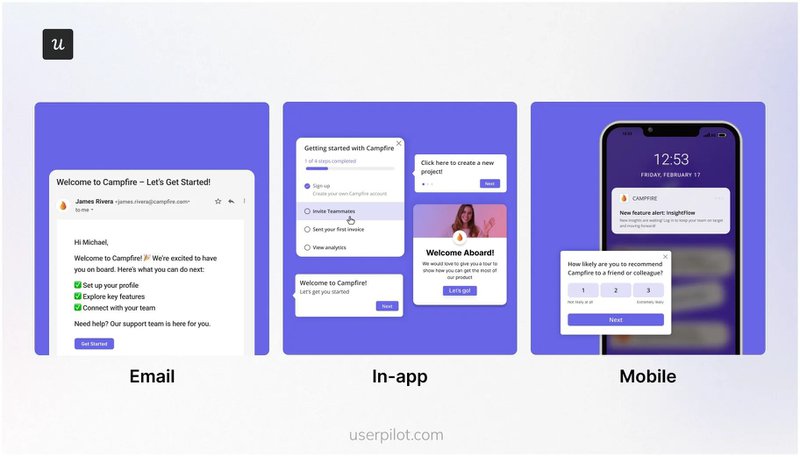
If those touchpoints fail to communicate, you lose context, trust, and eventually, revenue. Omnichannel marketing prevents that by acting as the glue. It connects every interaction into one continuous buyer journey, not disconnected moments.

Drive Higher Retention using an Omnichannel Marketing Strategy in Userpilot
Omnichannel marketing vs. multichannel marketing
These terms are often used interchangeably, but they’re not the same. And confusing them will break your PLG marketing efforts.
- Multichannel marketing focuses on being present in as many places as possible: You run a blog, send emails, post on social media, and schedule in-app messages. But each channel works independently, with its own goals and metrics.
- Omnichannel marketing connects messaging through a central user data layer: As a result, content adapts based on “what the user did before” and “where they are now” and all the channels work together to create a cohesive whole.
Multichannel teams track email opens and app logins separately. Omnichannel teams track how an email click leads to an in-app action or purchase. The former focuses on channels, while the latter prioritizes the customer journey.
💡 What about cross-channel marketing? Cross-channel coordinates messages across channels, but often in sequence. Omnichannel goes further by unifying data and context so every interaction builds on the last.
What are the benefits of the omnichannel marketing strategy?
Short answer: Better retention, adoption, and product decisions. I explain each further below.
1. It increases customer retention
According to the 2024 B2B Pulse Survey, 36% customers demand a seamless omnichannel experience. Otherwise, they get frustrated and churn. By removing friction, you keep them happy. Besides, implementing a strategy that acknowledges previous interactions improves trust, which in turn increases Lifetime Value (LTV).
2. It drives product adoption
If a user is struggling with a feature in the app, an omnichannel approach triggers a helpful email tutorial. Say they ignored the email, a tooltip will appear the next time they log in. This coordinated effort drives users to that “Aha!” moment much faster.
3. It provides better customer data
When you connect your channels, you stop looking at fragmented metrics. You start seeing the full user journey map. You’ll see when a user reads a blog post, downloads the mobile app, and then converts on the desktop. This holistic view guides your product decisions, such as which features to cut or invest your budget in.
How to build an effective omnichannel marketing strategy
An effective omnichannel strategy requires three things. You need an analytics tool, proper data use, and an understanding of how customers move across channels.
Below is the practical framework I use:
Step 1: Centralize your data
Omnichannel only works when all your customer data stays in one place. If the product usage, lifecycle data, and engagement signals are all over different tools, you’ll end up delivering fragmented experiences.
So, the first step is to create a single source of truth using a Customer Data Platform (CDP) or a product growth platform.
In Userpilot, we use the installation script to identify users. This allows you to pass unique user IDs along with key properties (the plan type, role, company size, or signup date) that form the foundation of your segmentation and make every channel work from the same user profile.
Userpilot also tracks in-app events, such as button clicks, feature usage, completed flows, and page views. You can use autocapture features to grab raw event data without needing a developer to code every single interaction.
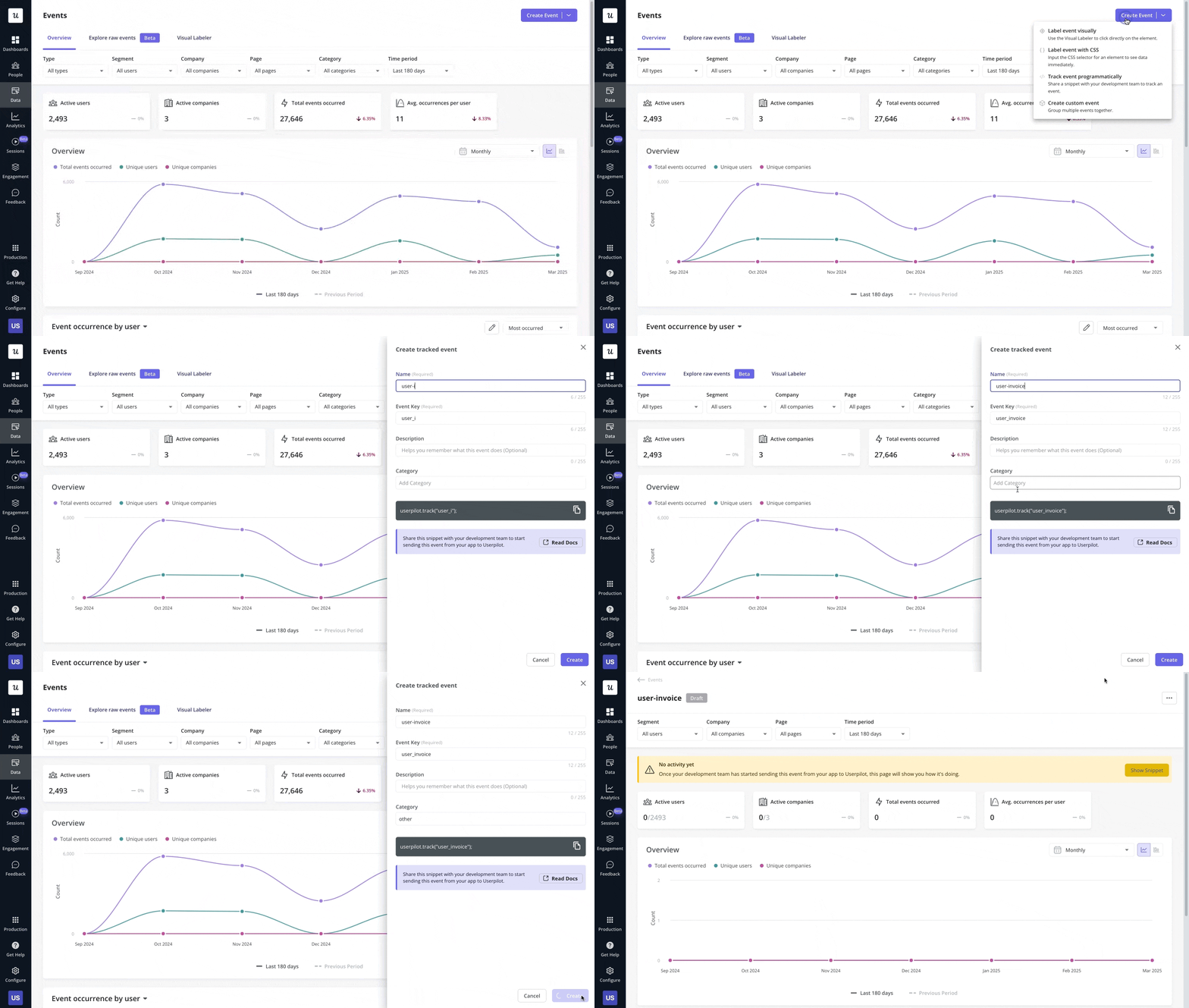
Now, your data is centralized. You can see what users are doing, when they’re doing it, and where they’re getting stuck.
Step 2: Map the entire customer journey
Before sending a single message, get a clear picture of how users navigate your product. Map the key steps from first touch to activation and beyond, noting where users hesitate, loop back, or drop off.
Userpilot’s path analysis reports are helpful here. They show actual behavior, not assumed flows, revealing which actions lead forward and which create friction.
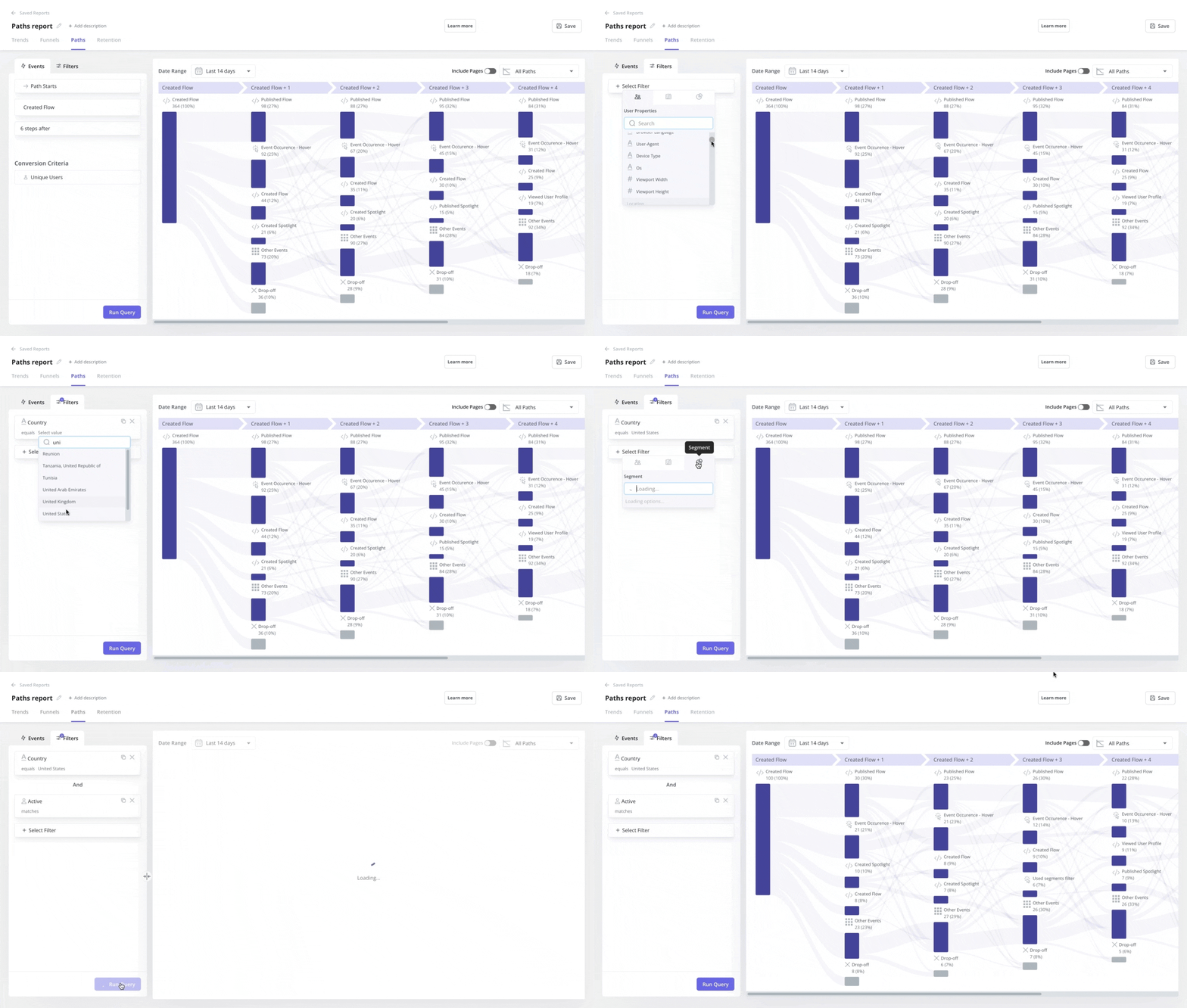
For example, say a user signs up on mobile but abandons the experience shortly after. That gap signals a broken handoff that your omnichannel strategy needs to fix. The report will guide you on which step causes the friction.
Step 3: Segment your audience
For an effective omnichannel strategy, group users by what they do and who they are. This behavioral and attribute-based segmentation guides you to respond to real intent.
In Userpilot, create a segment for new users who haven’t invited a teammate, for example. I can then target this specific group with a coordinated activation campaign across email and in-app messages.
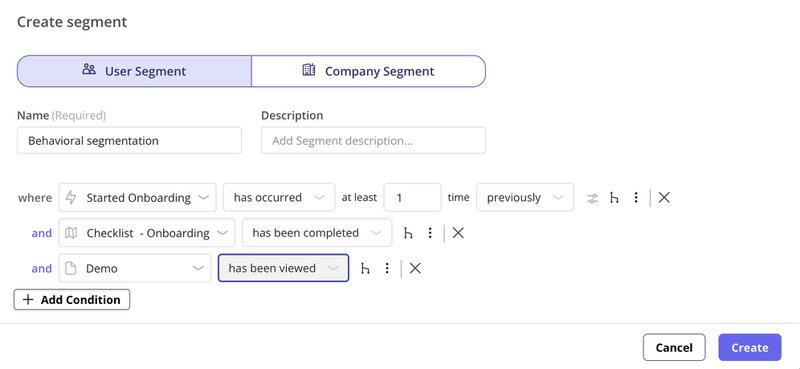
You can also apply customer loyalty segmentation to reward power users, while giving at-risk users extra support without mixing the two.
Step 4: Create consistent content across channels
At this stage, plan content so every channel works together. The message shouldn’t be identical everywhere, but it should feel connected.
Here’s how to do that:
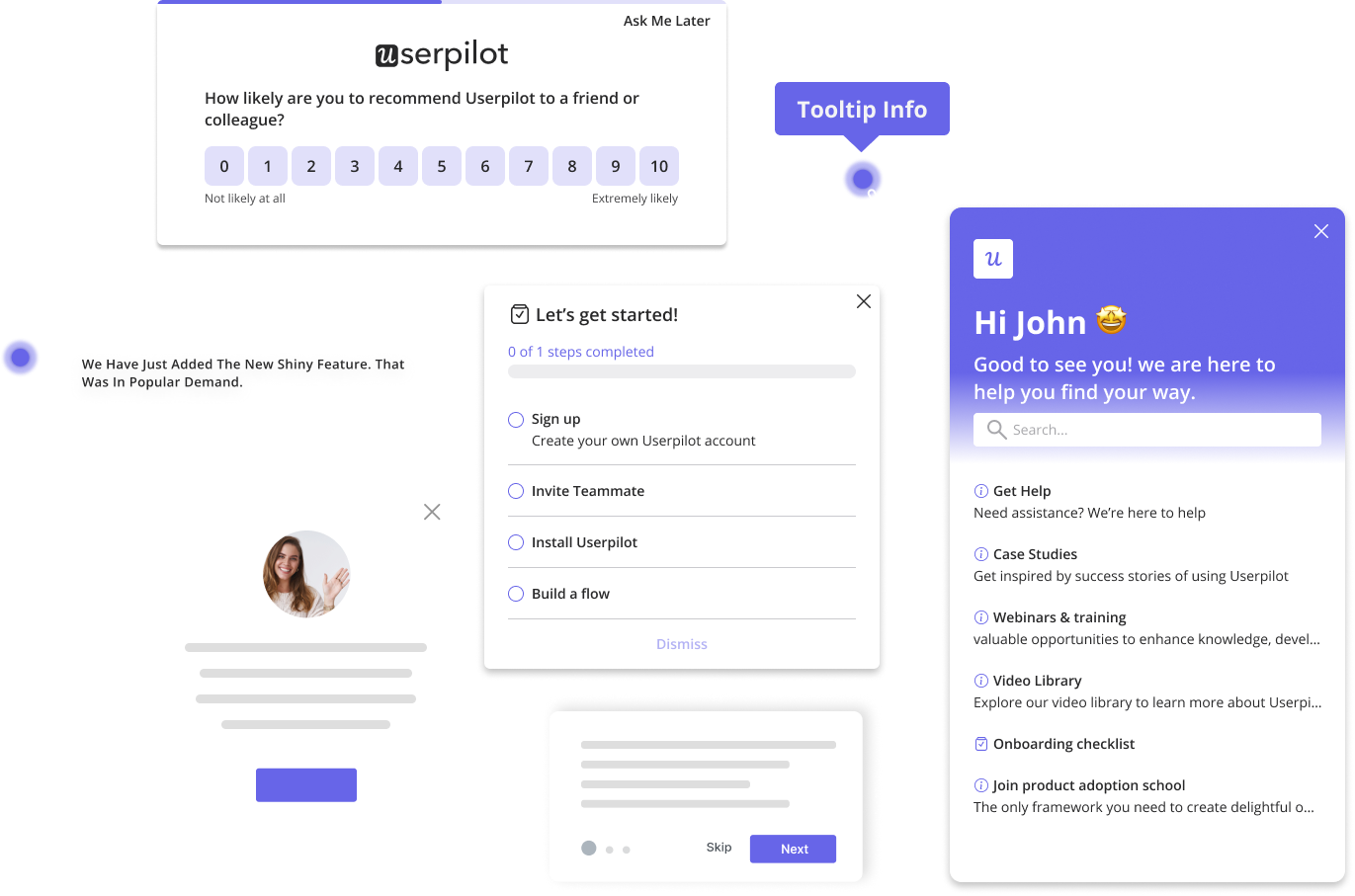
- In-app experiences: Since your product is the strongest channel, use contextual flows (like welcome modals) for new users. And slideouts can be for when someone explores a feature, but stick to the context.
- Mobile and web consistency: Using mobile content features, create carousels or push notifications that match what users see on their desktops. If a user dismisses a tour on desktop, don’t repeat it on mobile. Keep the experience continuous.
- Email and external messaging: Sync your product data with an automation tool. This way, once onboarding is complete, the message shifts from “setup reminders” to “advanced tips.”
At its best, product-led communication aligns every customer touchpoint. It delivers the right message to the right user, at the right moment, from signup to activation to retention.
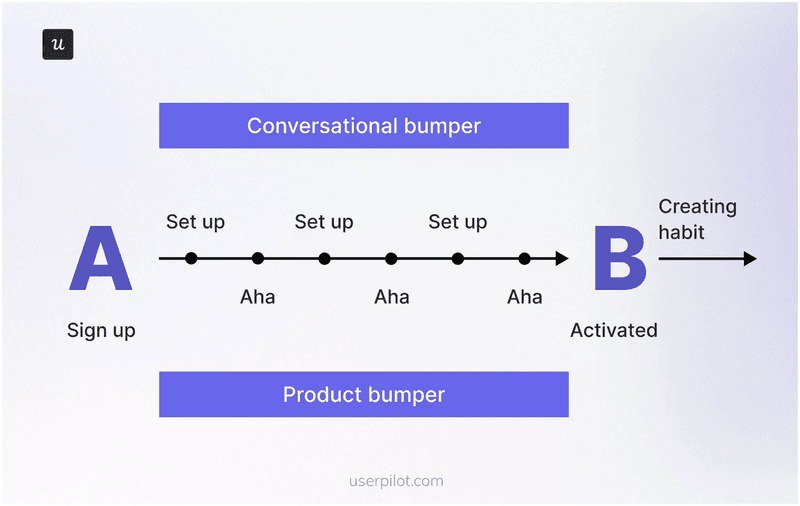
Step 5: Connect your tech stack
Your tools should work as one system. If you’re using HubSpot for email and Salesforce for CRM, both need visibility into what users are doing inside your product.
This is where integrations matter. By syncing Userpilot data with HubSpot, you can trigger email workflows based on in-app behavior, like whether a user has interacted with a specific feature. The result is messaging that reflects actual usage, and every email feels timely and relevant to the user’s journey.
Step 6: Measure success
To confirm the success of your omnichannel marketing strategy, follow customer behavior. Here’s how:
- Start with funnels: Track conversion between key steps, and watch what happens when you introduce an omnichannel touch (for example, an email paired with an in-app guide). If the step converts better, it’s working.
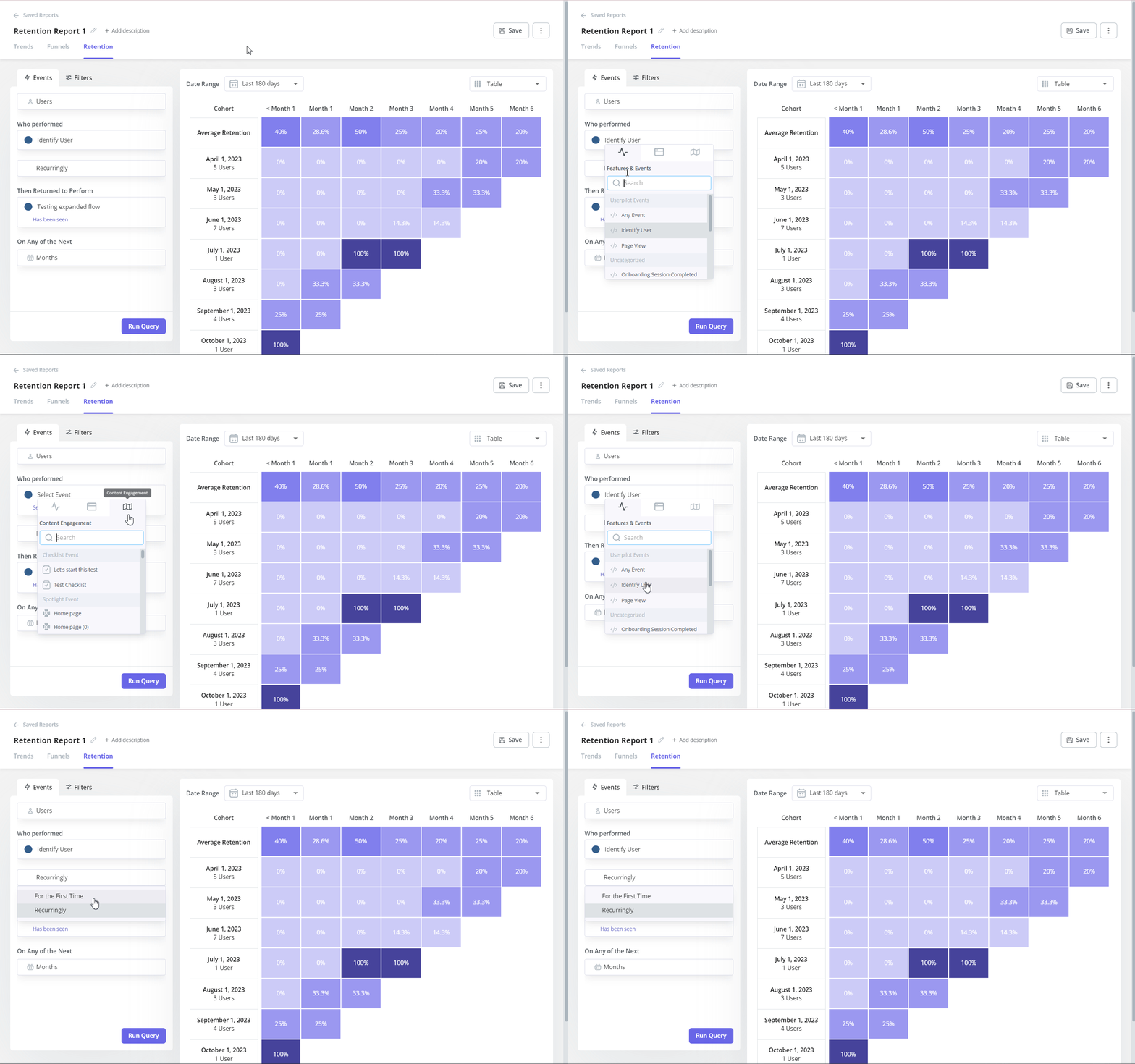
- Next, monitor retention by cohort: Do users exposed to connected campaigns stay active longer than those who aren’t? That’s your signal.
- Finally, check product adoption: Are users reaching and repeatedly using core features? Strong adoption reflects a consistent and seamless experience across marketing channels.
Examples of omnichannel marketing tactics to steal
Implement the tactics below to let your users continue their product journey without distractions, even if they switch devices.
“Pick up where you left off”
Say a user starts filling out a long signup form on their desktop, but drops off midway. Instead of losing them, you can follow up with a timely push notification (e.g., “finish your setup in 2 taps”) on their phone.
This way, you lean on deep linking to bring users back to the exact step they abandoned. They don’t have to re-enter details or start over. This respects the user’s time and increases completion rates.
Contextual help
Instead of forcing users to search through a generic FAQ, use a Resource Center embedded directly in the app. This widget can house your knowledge base, video tutorials, and chat support. And because it is in the app, you can show different articles based on the page the user is currently viewing. This is on-demand, contextual help.
The feedback loop
Surveys via email may get buried in inboxes; an NPS survey surfaced in-app won’t. However, it should show up immediately after users complete a core task to increase the response rate and accuracy.
For example, trigger an NPS survey right after users finish onboarding or publish their first project.
- If a user gives a low score, use the data to automatically tag them in your CRM (via Salesforce integration).
- And if the score is high, prompt them with a simple modal to leave a public review.
Either way, your Customer Success team will follow up with a personalized outreach, leading to clear responses and relevant next steps.
Advanced tips for the PLG marketers
Now, you have the basics sorted. Adopt the tips below to level up your omnichannel marketing strategy:
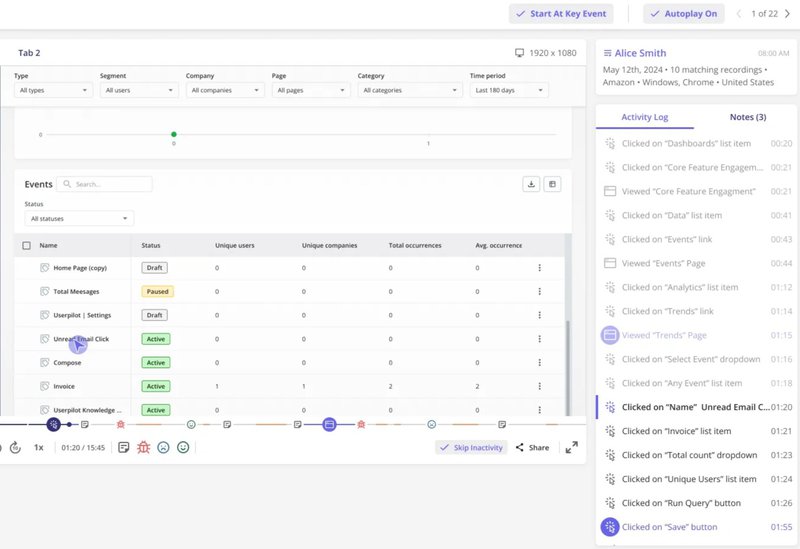
Use session replay for qualitative insights
Metrics only show you what users do, but a session replay reveals why they do it. Watching users interact with your product exposes issues that analytics often miss:
- A pop-up covering a key button on a mobile.
- Users rage-clicking an element that isn’t interactive.
These small frustrations add up to break the omnichannel experience. However, if you discover and fix them early, every touch point becomes more intentional.
Personalize based on roles and customer preferences
A manager needs different information than an individual contributor. Hence, personalization should go beyond names. Use advanced content personalization to inject the user’s name, company, or role into your messages. Also, use JTBD-based personalization to tailor onboarding copy, in-app messages, and feature highlights.
For example, “Hey Natália, here’s how to view your marketing team’s analytics” is far more effective than a generic “Check out the analytics feature.”
When users see content aligned with their role and JTBD, value becomes obvious faster, and adoption follows.
Experiment with your content
It is rare for your first version to be perfect. So, run A/B tests for different formats, timing, and placements across your flows. Doing this will help you know exactly where to improve your content.
For example, you can:
- Compare a modal versus a slideout for the same announcement.
- Test if a re-engagement email performs better if sent 1 or 2 days later.
This way, you won’t make decisions based on assumptions. And it will help you maintain a consistent brand experience and conversion.
Set up your omnichannel marketing strategy and improve customer experience with Userpilot
An omnichannel strategy only works when every message is tied to users’ actions. However, execution across multiple channels is complex and slow. This is where Userpilot helps.
Userpilot brings every tool you need together in one platform:
- Group users into customer segments by their behavior.
- Trigger in-app and external messages at the right moment.
- Track how those interactions impact activation, adoption, and retention.
No silos. No guessing which channel worked. Instead, you engage customers and optimize your strategy in real time.
Book a demo now and turn disconnected touchpoints into one seamless customer experience!
Scale Product Adoption Faster with a Userpilot Omnichannel Marketing Strategy
About the author