“Among so many tools, what’s the best software for customer feedback?”

That’s a misleading question.

What type of feedback? For whom? And in which format?

Although I’d love to recommend a single platform for collecting and analyzing customer feedback, the best tool really depends on your specific use case.

In this article, I’ll cover each possible use case of customer feedback and review the best product for it. But first, let’s start with my criteria for choosing these tools:

What makes a great customer feedback tool?

You might be wondering, what separates the best customer feedback tools from the rest?

Below are the criteria I followed when selecting the right customer feedback software for any use case:

  • Robust functionality: It shouldn’t just offer feedback collection methods like surveys, forms, or usability tests. I also looked for advanced features like Net Promoter Score tracking, sentiment analysis, and integrations that make it extra valuable.
  • Flexibility and customization: The ability to customize surveys, forms, and workflows gives extra brownie points to a customer feedback tool.
  • Short learning curve: Drag-and-drop editors, easy setup guides, and straightforward navigation are great for companies that lack technical budgets.
  • Strong integrations: Seamless integrations with CRMs, analytics platforms, or project management software make a tool easier to include in your tech stack.
  • Real-time analytics: To spot trends, track NPS scores, and identify problems as they happen.
  • Scalable pricing: Fair prices ensure you’re not overpaying or under-supported according to your company’s stage.

The best customer feedback software for different use cases

Now, as I mentioned, I’m going to review the best customer feedback software for each use case.

I selected these tools based on their G2 ratings, real user feedback, and how consistently they show up in discussions of customer feedback software. I also considered how mature the infrastructure is for convenient integrations.

Below, I’ll break down each tool, its key features, and the pros and cons mentioned most often in reviews.

But before you scroll through a large page with tons of information, here’s a summary table with the key information for each tool:

Tool Use case Key features Pricing G2 Rating
Typeform Triggering email and web surveys Form builder, survey maker, quizzes Free plan available; paid plans start at $28/month (billed annually) 4.5
Canny Managing customer feedback AI-automated feedback management, public roadmaps, data collection and analytics Freemium plan with paid plans starting at $19/month 4.6
Lookback Conducting user tests Usability testing, customer interviews, AI research assistant Starts at $299/year (~$25/month equivalent) 4.3
Qualtrics Analyzing the voice of the customer Custom omnichannel surveys, advanced targeting and personalization, benchmarking Custom pricing only 4.4
G2 Tracking online reviews Review platform, review invitations, analytics dashboards Free (+ custom plans with variable pricing) 4.7
Mention Carrying out social listening AI-assisted social listening platform, analytics and reports, social content scheduling Starts at $299/month 4.3
Brandwatch Analyzing customer sentiment Social monitoring and listening, cross-channel inbox, customer profiles Custom pricing after a free demo 4.4
Userpilot In-app feedback collection and product experience optimization In-app surveys, NPS, product analytics, session replay, user segmentation, custom dashboards Starts at $299/month (no free plan, free trial available) 4.6
Discourse Managing and monitoring community feedback Open-source platform for creating community forums, real-time chat with community members, robust moderation features Free if used as open source. Hosted plans start at $20/month (with free trial available) 4.0

Best survey software: Typeform

Typeform is an interactive survey platform that focuses on creating user-friendly and visually engaging forms, customer surveys, and quizzes.

It tends to work best for smaller teams, agencies, and service businesses that want an easy way to collect customer opinions without a complex setup.

Why choose Typeform? Key features

  • No-code survey builder: You can set up beautifully designed, interactive custom surveys using a simple drag-and-drop builder.

Typeform's no code survey builder feature

  • Multiple channel surveys: Embed customer surveys into websites, or share via email or direct links.
  • Branching: Add logic jumps to surveys, dynamically adjusting questions based on previous responses.

Typeform's branching feature

  • Branding: Customize surveys with your branding to maintain a consistent customer experience.
  • Analytics: Analyze responses with built-in reporting tools that make data visualization and trend tracking easy.

Pros and cons of Typeform

Pros Cons
Easy to use even for non-technical teams: Many reviewers highlight how simple it is to build surveys without technical knowledge. Pricing increases quickly as response volume grows: Pricing tied to response limits is one of the most common complaints.
Engaging survey design improves completion rates: Users often mention that the one-question-at-a-time format improves engagement and response quality. Limited product analytics compared to dedicated customer feedback software: Typeform focuses mainly on surveys, so teams looking for deeper customer insights or product analytics may need additional tools.
Strong integrations with other tools: Typeform integrates with tools like Slack, HubSpot, and Google Sheets, which helps teams centralize customer data.

How much does Typeform cost?

Typeform offers several pricing tiers depending on features, response limits, and team size:

  • Free plan: Includes basic features with 10 monthly responses.
  • Basic plan ($28/month billed annually): Includes 100 responses per month, unlimited forms, and one user.
  • Plus plan ($56/month billed annually): Increases the limit to 1,000 monthly responses and adds branding controls and collaboration features.
  • Business plan ($91/month billed annually): Supports up to 10,000 responses per month, five users, conversion tracking, and priority support.
  • Enterprise plan: Custom pricing with advanced security, compliance, and dedicated support.

There’s also a free plan with basic features and 10 responses.

Best feedback management software: Canny

Canny is a feedback management platform designed to centralize customer feedback and streamline product development processes.

It’s ideal for teams that want to manage feature requests, bug tracking, and roadmap feedback.

Why choose Canny? Key features

  • Centralized customer feedback: Collect and organize feedback in a single platform, enabling easy prioritization of requests.

Canny's analyze product feedback feature

  • Public roadmap: Create public feedback boards where users can submit ideas and vote on features.

Canny's public roadmap feature

  • Direct communication with customers: Use the roadmap feature to communicate feature priorities and progress with your customers.
  • AI-powered analytics: Leverage AI to analyze feedback trends and categorize survey responses for better decision-making.

Pros and cons of Canny

Pros Cons
Good for organizing feature requests: Users frequently mention it helps structure feedback and prioritize product decisions. Duplicate or spam feedback requires manual cleanup: Some reviewers mention needing to manage duplicate requests manually.
Helps track customer feedback trends: Reviewers say it helps identify common requests and roadmap priorities. Limited filtering and reporting capabilities: A recurring complaint is that filtering feedback and extracting deeper insights can be difficult.

How much does Canny cost?

Canny offers the following pricing plans (billed yearly):

  • Free plan: Supports up to 25 tracked users with basic feedback management features.
  • Core plan (starts at $19/month billed annually): Includes more tracked users, custom domains, and workflow features.
  • Pro plan (starts at $79/month billed annually): Adds integrations, advanced workflows, and privacy controls.
  • Business plan: Custom pricing for larger organizations with advanced security and support.

Canny pricing is mainly based on the number of tracked users (people who submit feedback, vote, or comment), which means costs scale as your customer base grows.

Best user testing software: Lookback

Lookback is a user research platform built for teams that want to go beyond surface-level feedback and see how customers interact with their product.

It’s particularly useful when teams want to understand how customers interact with their product, where they get stuck in the customer journey, and how customers feel during real product interactions.

Why choose Lookbook? Key features

  • Usability tests and customer interviews: Conduct usability tests and customer interviews with a dedicated platform designed for research.

Lookback's usability tests and customer interviews feature

  • AI interview assistance: Use the AI assistant to take notes and highlight key insights during interviews.
  • Easy session storage: Record and store all sessions in one place for easy reference and collaboration.
  • Collaboration: Share testing sessions with stakeholders to improve decision-making and alignment.

Lookbook's collaboration feature

Pros and cons of Lookback

Pros Cons
Strong team collaboration: Users frequently mention how easy it is to share sessions internally and discuss usability findings. Technical setup issues: A recurring complaint is friction during session setup, especially requiring extensions or apps.
Great for moderated testing: Works well for moderated testing and allows teams to observe sessions together. Limited reporting and analytics: Lookback is strong for recording but weaker for structured reporting.
Useful for remote testing compared to in-person research: Users say remote testing reduces costs and makes research easier to run. Reliability issues during sessions (connection or recording problems): Multiple reviewers mention technical failures affecting research sessions.

How much does Lookback cost?

Lookback offers several pricing tiers depending on the number of research sessions, collaborators, and support needs:

  • Freelance plan ($299/year): Includes 10 moderated or unmoderated sessions, one seat, unlimited guests, and chat support.
  • Team plan ($1,782/year): Includes 100 moderated sessions, unlimited unmoderated sessions, 10 collaborators, unlimited guests, and security self-assessment features.
  • Insights Hub plan ($4,122/year): Includes 300 moderated sessions, unlimited unmoderated sessions, 30 collaborators, priority support, and security assistance features.
  • Enterprise plan (Custom pricing): Includes unlimited sessions, custom seat configuration, SSO, security reviews, training, and dedicated customer success support.

Best voice of customer feedback software: Qualtrics

Qualtrics works best for large B2B organizations running complex voice-of-customer programs across multiple channels.

What makes Qualtrics stand out is its powerful survey engine, AI-driven analytics, and deep integrations that help product and CX teams turn customer feedback into actionable insights.

Why choose Qualtrics? Key features

  • Multi-channel feedback: Create omnichannel surveys with advanced targeting to collect user feedback via email, web, mobile, or offline channels.
  • AI-powered analytics: Use predictive analytics powered by AI to forecast customer behaviors based on survey results.
  • Deep segmentation: Segment respondents by demographics or behavior to gain actionable insights for specific customer groups.

Qualtrics segmentation feature

  • Custom dashboards: Visualize and analyze customer feedback data with advanced dashboards and customizable reports.

Qualtrics custom dashboards feature

Pros and cons of Qualtrics

Pros Cons
Powerful survey customization and enterprise-grade analytics: Users frequently highlight Qualtrics’ flexibility in survey logic, targeting, and analysis capabilities. Expensive pricing for smaller teams: Many reviewers mention the cost as a barrier, especially for smaller businesses.
Strong multi-channel feedback collection capabilities: Easy to collect and analyze feedback from multiple sources in one platform. Steep learning curve for advanced functionality: Users say powerful features come with complexity and often require training.
Robust integrations and enterprise scalability: Qualtrics is often praised for its integrations with CRM and marketing platforms and its ability to support large research programs. ❌ Restrictive dashboard customization: Some users report needing external tools to better visualize Qualtrics survey data for stakeholder presentations.

How much does Qualtrics cost?

Qualtrics offers customized pricing depending on the features required. It also provides personalized demos and offers a limited free version for smaller businesses if it suits your fancy.

Best online review software: G2

G2 is a software review platform that helps companies collect customer reviews, build credibility, and use social proof to influence buying decisions. It works best for SaaS companies that want to strengthen customer loyalty and attract new buyers through verified customer opinions.

Unlike traditional customer feedback software, G2 focuses on public reviews rather than private surveys. This makes it useful for understanding customer sentiment and improving your customer experience through transparent feedback.

Why choose G2? Key features

  • Collect product reviews: Build a profile on G2’s platform to collect customer reviews and brag about your brand
  • Review invitations: Send review invitations to customers, making it easy to gather valuable feedback.

G2's review invitation feature

  • Analytics: Access analytics dashboards to track review trends and identify areas for improvement.

G2's analytics feature

  • Review widgets and badges: Showcase reviews and awards on your website to build credibility and support business growth.

Pros and cons of G2

Pros Cons
Builds trust through real user reviews: Users say G2 helps them evaluate software based on real customer experiences rather than vendor claims, improving buying confidence. Inconsistent review quality: Some users note that not all reviews provide deep insights, requiring careful evaluation.
Increases buyer visibility: Helps businesses reach customers who are actively comparing software options. Strict review moderation: G2’s verification and moderation process can be complex and time-consuming.
Identifies high-intent prospects: G2’s intent data helps identify companies already researching their category, supporting pipeline growth. Review credibility concerns: Incentivized reviews, sponsored placements, and moderation decisions can make it harder to judge review authenticity.

How much does G2 cost?

G2 offers a free account for businesses to start collecting reviews. For advanced features, such as enhanced analytics and profile optimization, G2 provides custom pricing (they call it the “core plan”) based on your needs.

Best social listening software: Mention

Mention is a social listening platform that helps businesses stay on top of what customers are saying about their brand across social media and the web.

It’s particularly useful for customer experience and marketing teams that want to understand customer opinions in real time. And later use those valuable insights to refine their customer service strategy.

Why choose Mention? Key features

  • Social listening: Monitor what people are saying about your brand across social media, blogs, and other web sources.

Mention's social listening feature

  • AI-based analytics: Use AI-assisted tools to stalk your audience for you and identify trends in customer conversations.
  • Content scheduler: Schedule social media content and responses directly from the platform.

Mention's content scheduler feature

  • Benchmarking: Generate competitor comparison reports to benchmark your brand’s performance.

Pros and cons of Mention

Pros Cons
Real time brand monitoring: Many users highlight how Mention’s real-time alerts help them quickly spot important discussions and respond before issues escalate. Requires careful filtering: Pulls in unrelated results, so users often need to refine filters to find useful insights.
Simple interface: The platform is relatively easy to set up and use compared to enterprise alternatives. Steep learning curve for advanced setup: While basic setup is simple, configuring alerts and filters properly takes time.
Broad monitoring coverage: Users appreciate being able to track conversations across multiple channels from one dashboard instead of monitoring platforms separately. Limited depth compared to advanced tools: Works fine for basic monitoring, but users say it lacks deeper analytics, AI insights, or advanced query handling.

How much does Mention cost?

Mention offers pricing based on monitoring volume, features, and team requirements:

  • Company plan ($599/month billed annually): Includes advanced social listening, sentiment analysis, competitive benchmarking, and collaboration features. Designed for larger teams with complex monitoring needs.
  • Enterprise plan (custom pricing): Includes tailored monitoring limits, advanced security, dedicated support, and custom integrations for large organizations.
  • Free trial: Mention offers 14 days free trial so teams can test the platform before committing.

Best customer sentiment analysis software: Brandwatch

Brandwatch helps companies understand how customers really feel about their brand by analyzing conversations happening across social media, forums, and online communities.

It’s particularly useful for enterprises that want to understand customer experience at scale, track brand perception, and use social data to inform their customer feedback strategy.

Why choose Brandwatch? Key features

  • Social listening: Monitor social media channels and online sources to gather customer feedback.
  • AI-powered sentiment analysis: Use machine learning to detect sentiment, trends, and emerging topics from large volumes of customer conversations.

Brandwatch's sentiment analysis feature

  • Influencer identification: Discover influential voices and creators driving conversations in your industry.

Brandwatch's influencer identification feature

  • Audience intelligence: Segment audiences by demographics, interests, and behaviors to generate deeper customer insights.

Pros and cons of Brandwatch

Pros Cons
Powerful social listening capabilities: Users frequently praise Brandwatch’s ability to process huge datasets and turn them into structured insights and dashboards. Steep learning curve: Many users say the platform takes time to learn, especially when setting up advanced queries and dashboards.
Highly customizable dashboards and reporting: Reviews often highlight flexible dashboards and visualizations that help teams present customer insights to stakeholders. Complex interface and limited demographic insights: The platform can feel overwhelming initially and lacks certain demographic breakdowns needed for deeper analysis.
Strong data coverage for brand monitoring: Industry comparisons note Brandwatch’s extensive coverage across social, forums, and news sources for trend analysis. Occasional performance issues and data limitations: Some users report slow data processing times and limitations in accessing historical or exportable data.

How much does Brandwatch cost?

Brandwatch offers custom pricing based on your organization’s specific features and scale requirements. The platform also provides a free demo to help you explore its capabilities.

Best customer behavior software: Userpilot

Userpilot is a product growth platform that lets SaaS teams pair customer feedback with in-app behavior to get objective insights.

Combining feedback collection and analysis features with user engagement (for web apps, mobile, and emails) and product analytics, you can understand not just what users do, but why they do it. It serves as a complete tech stack for product companies looking to do user research.

Why choose Userpilot? Key features

As for the customer behavior features, Userpilot offers:

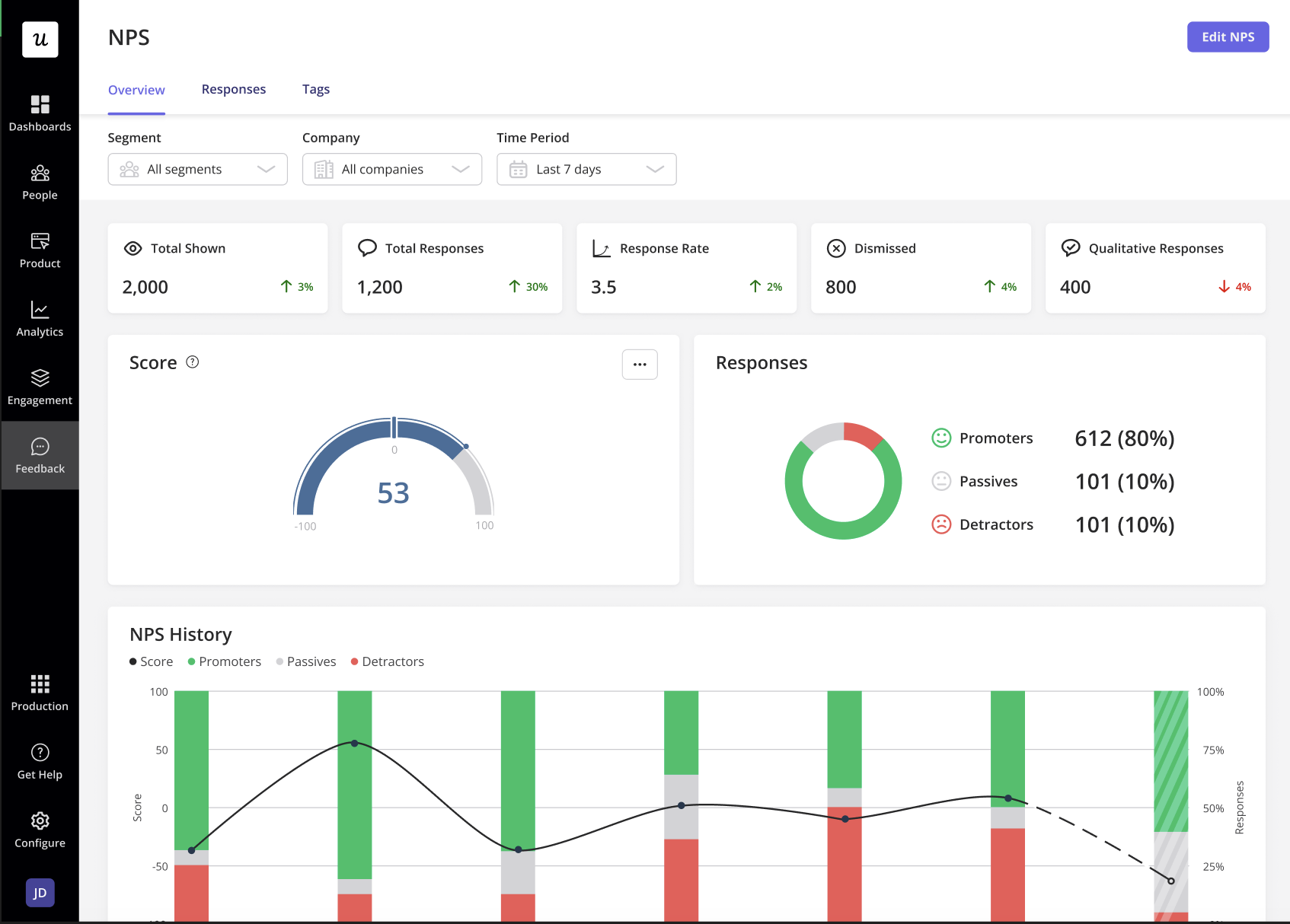
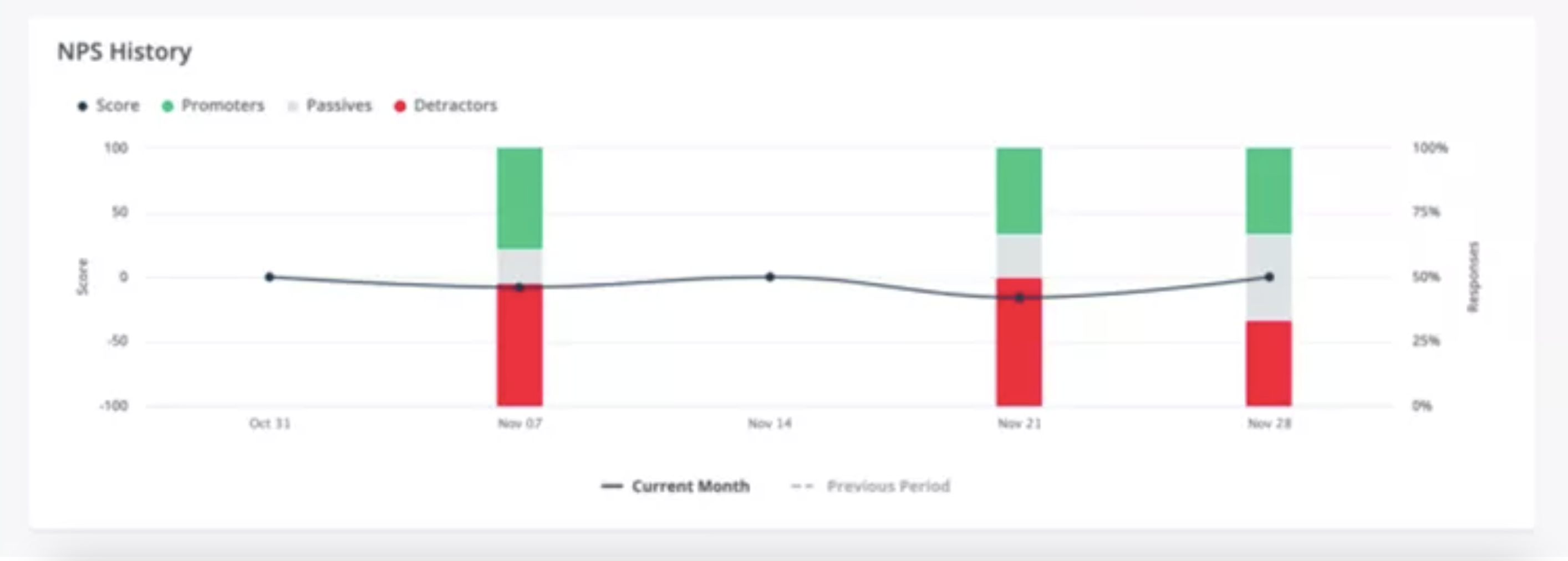
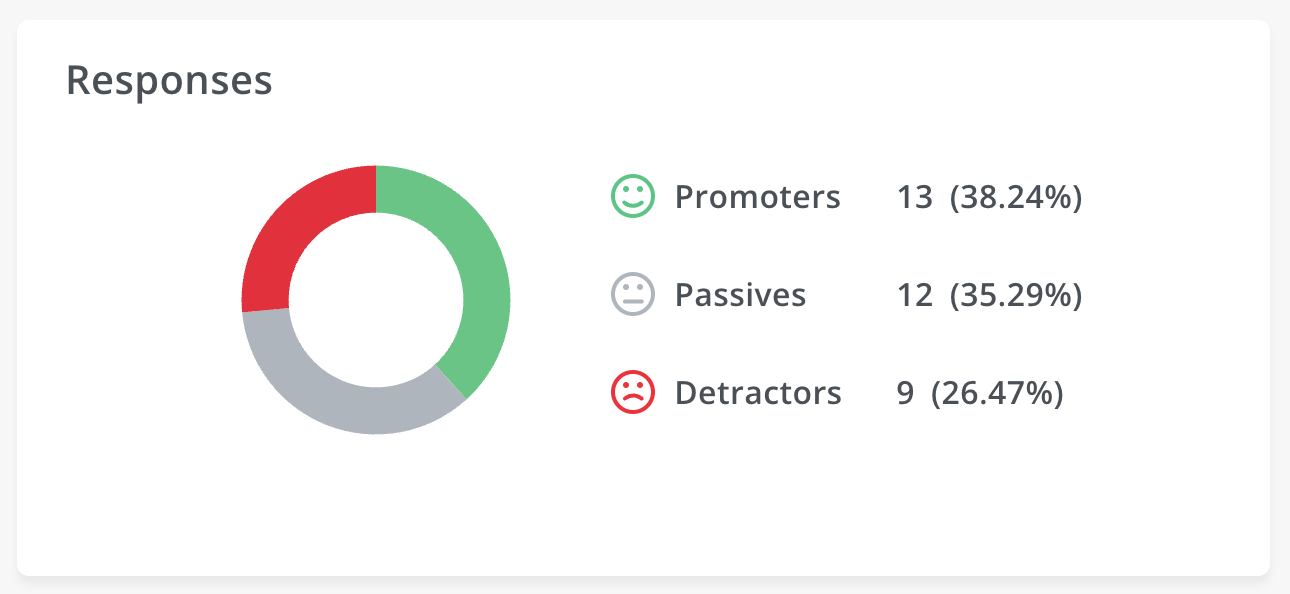
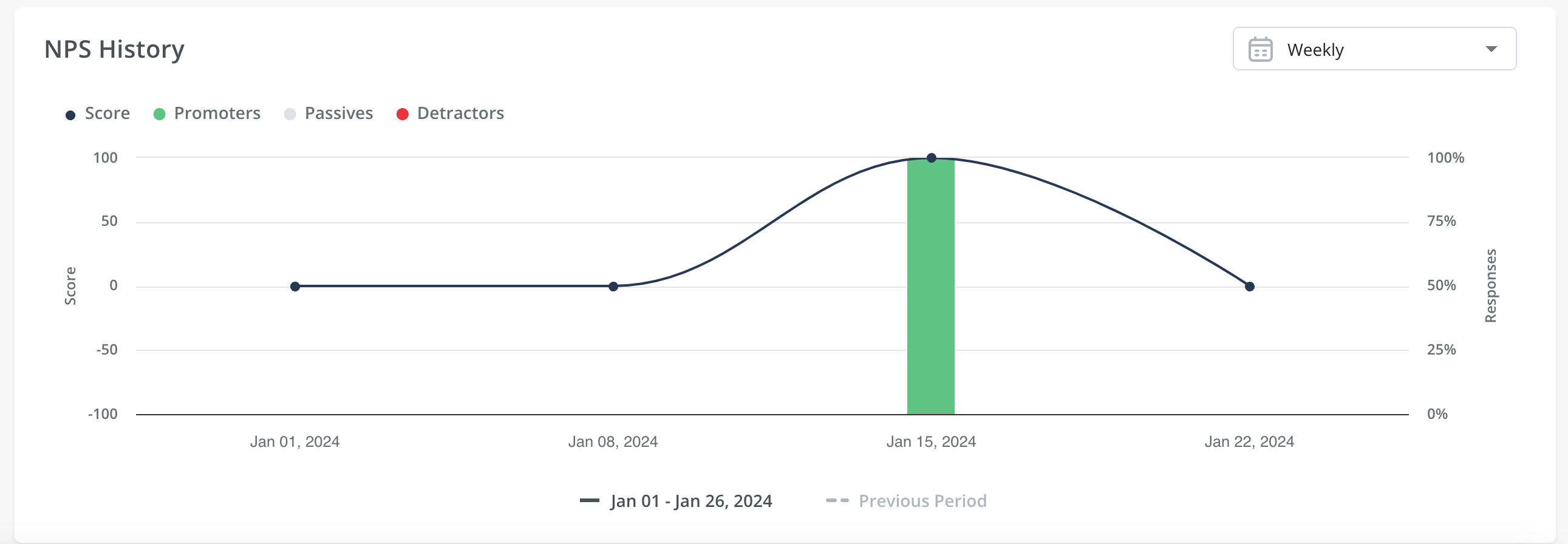
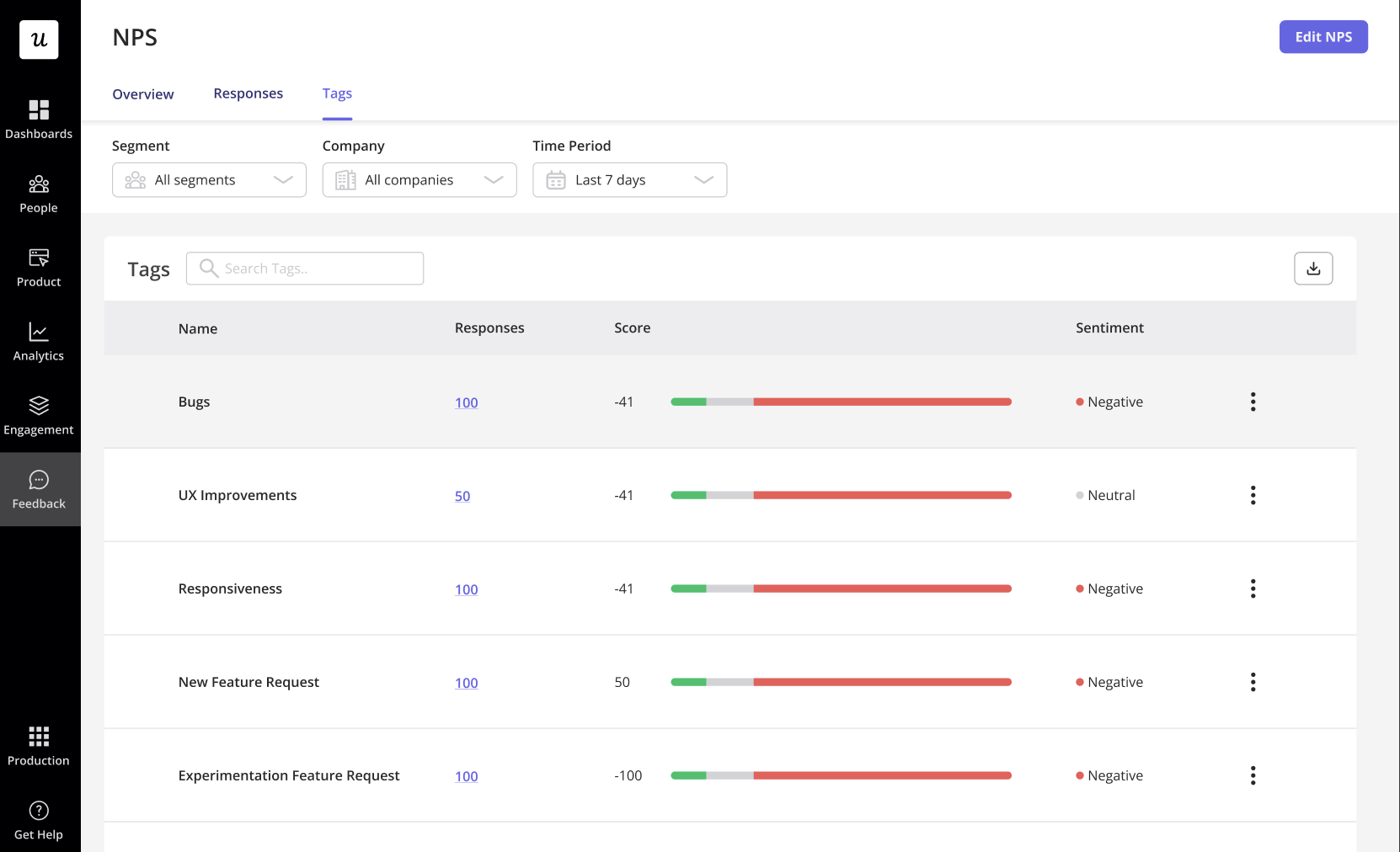
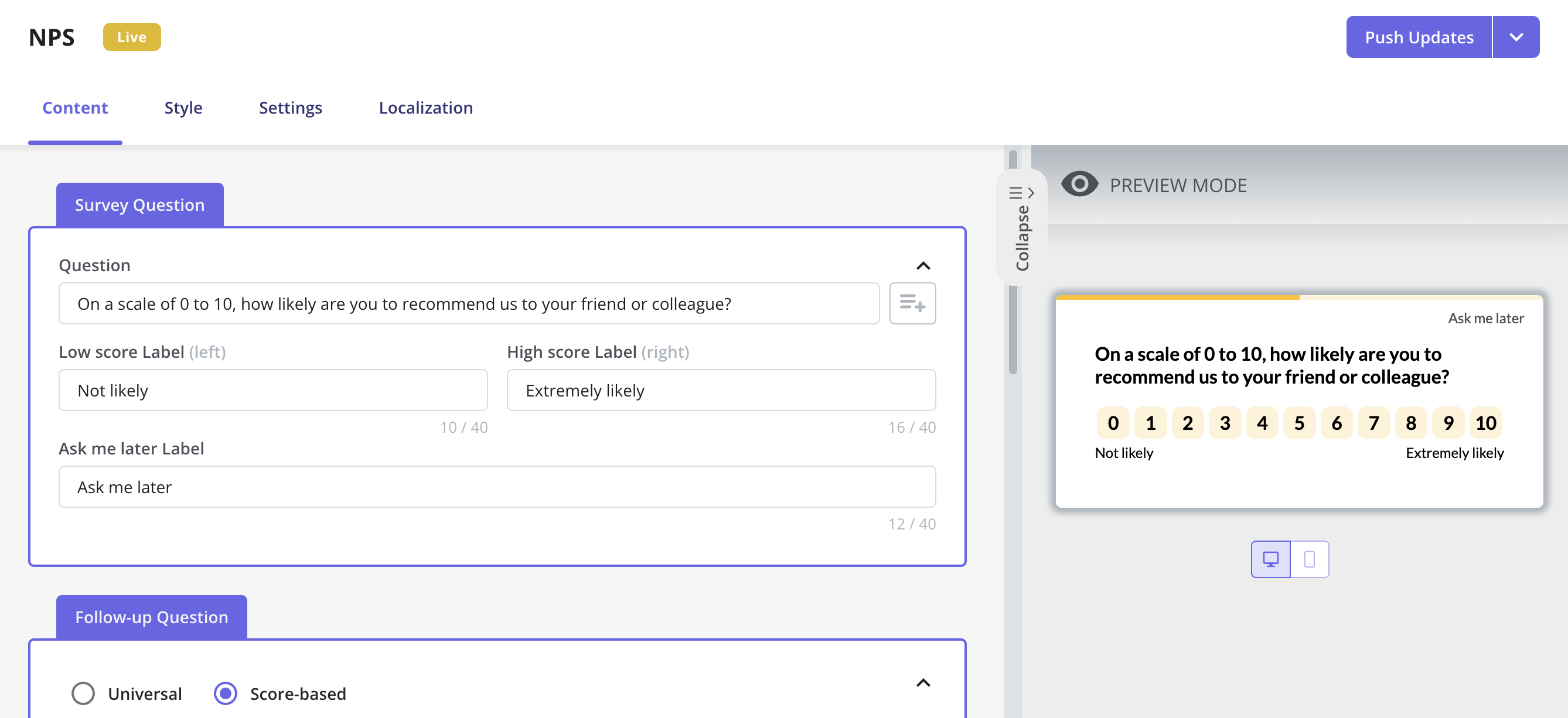
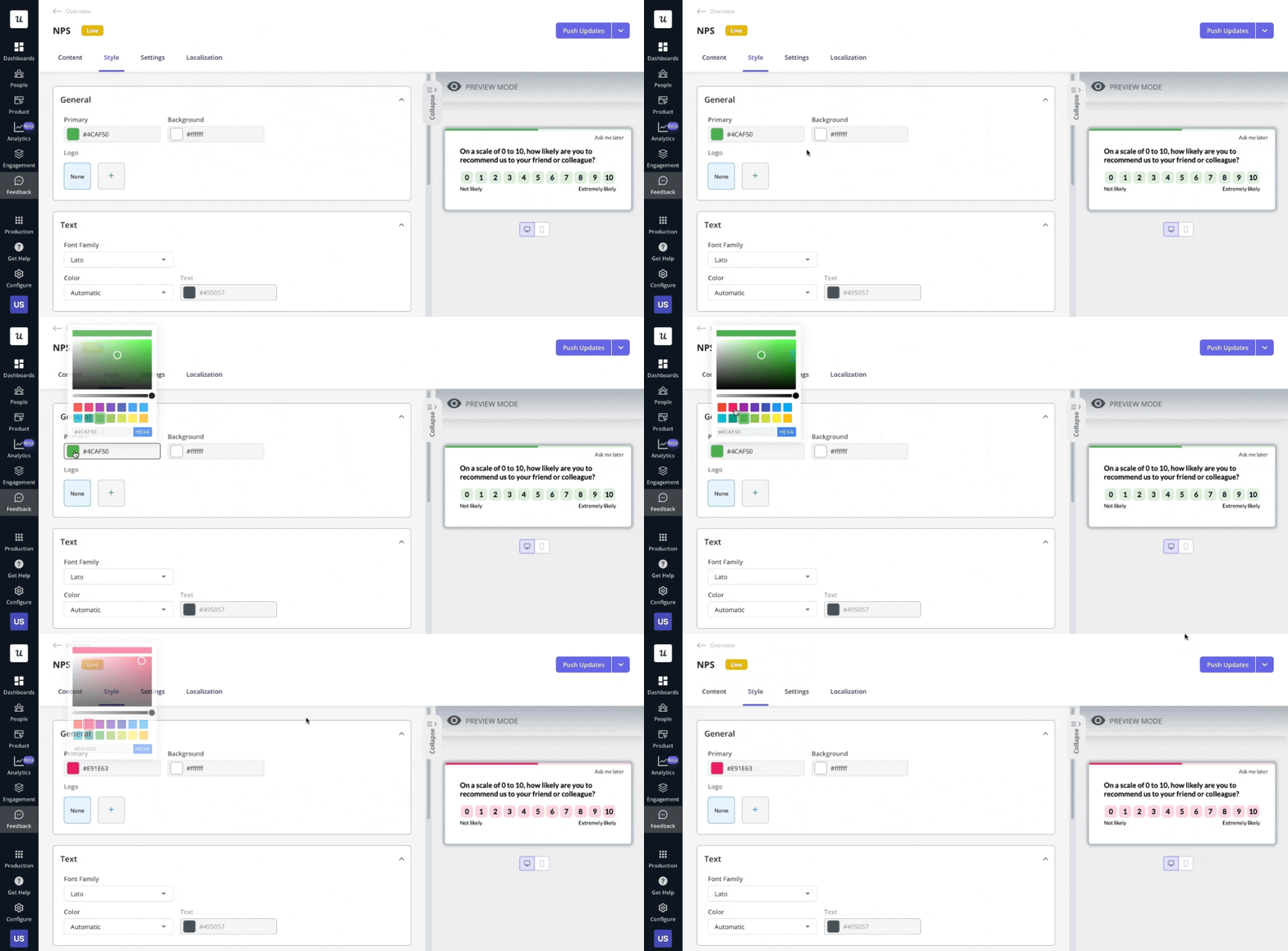
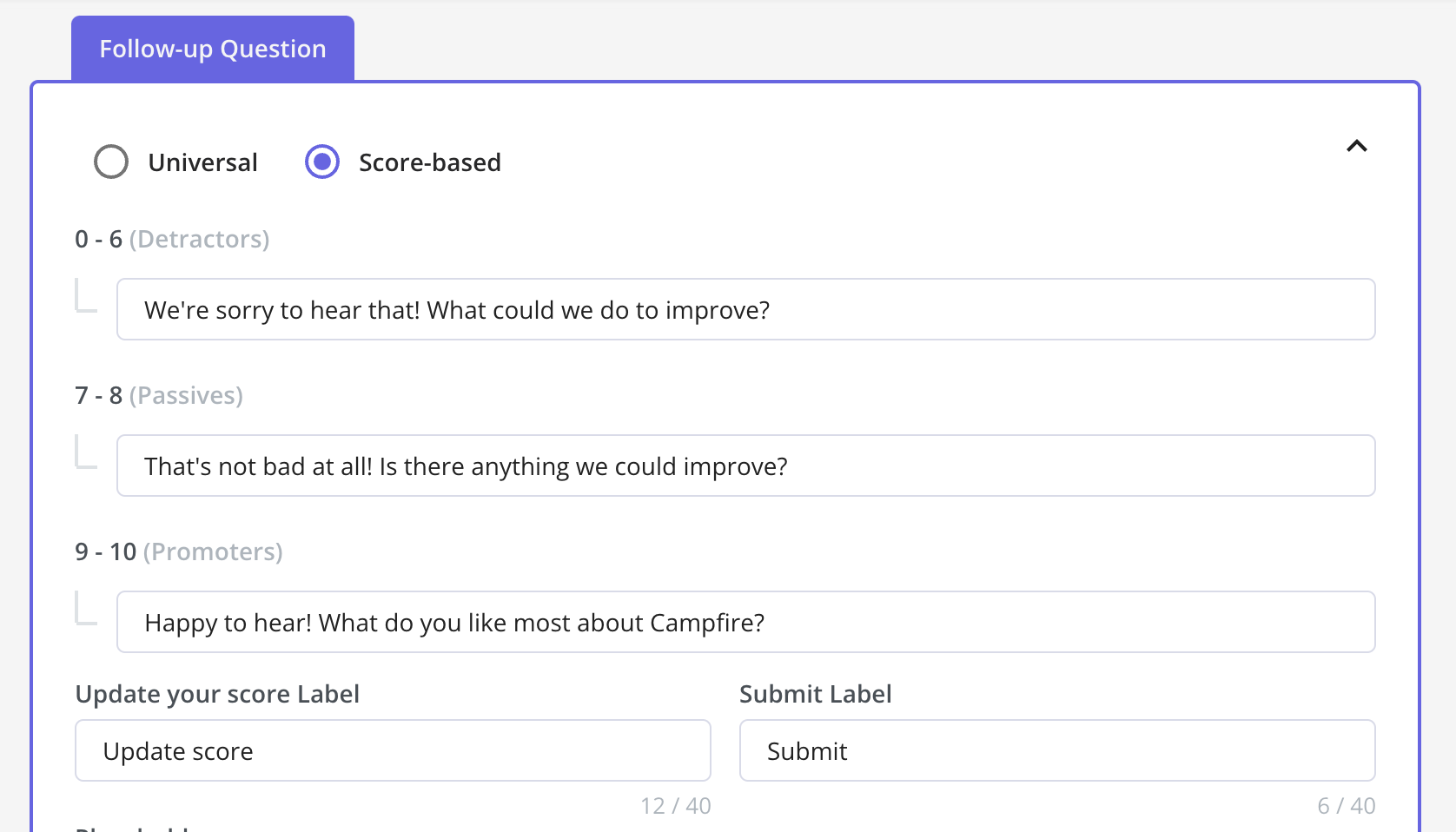
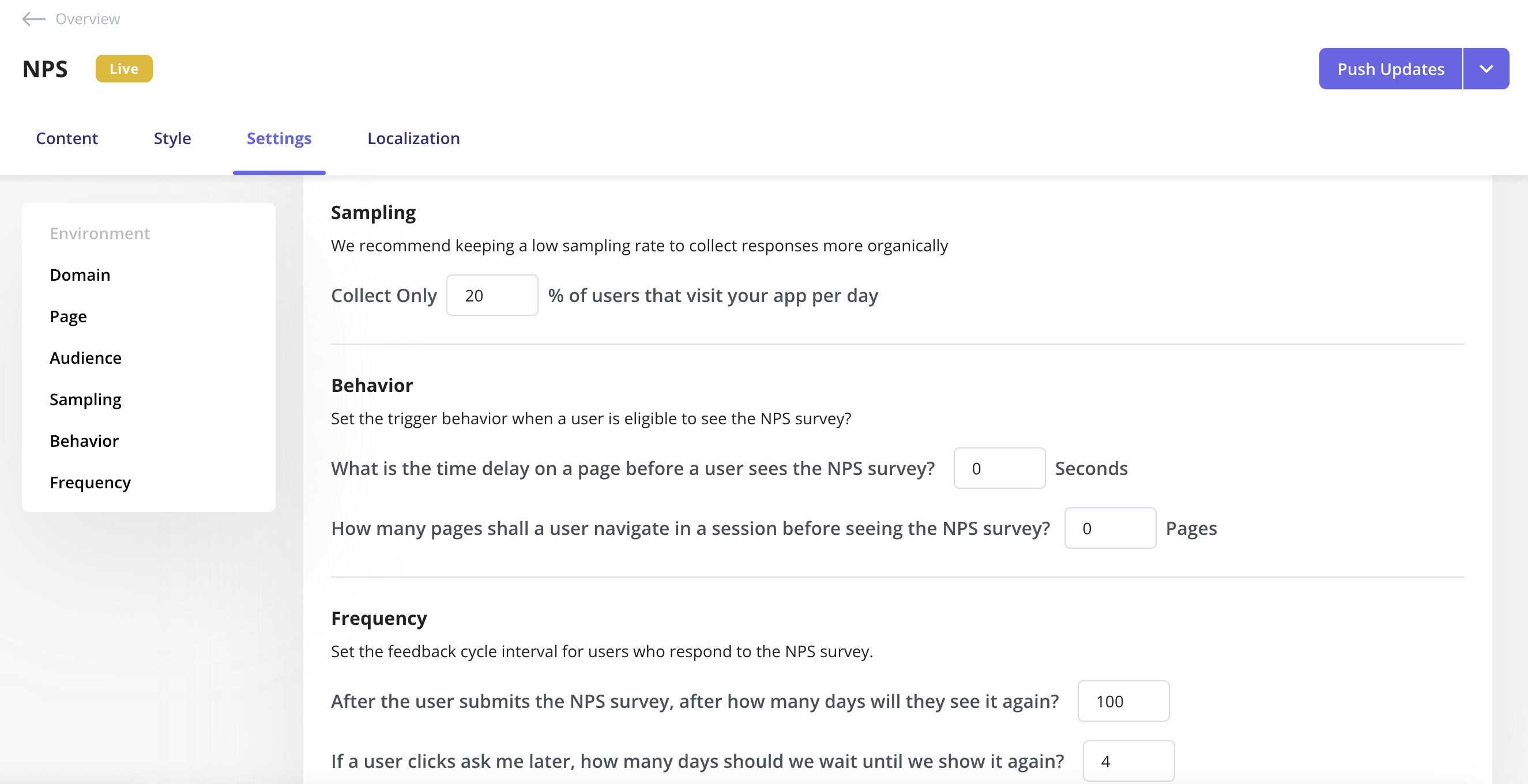
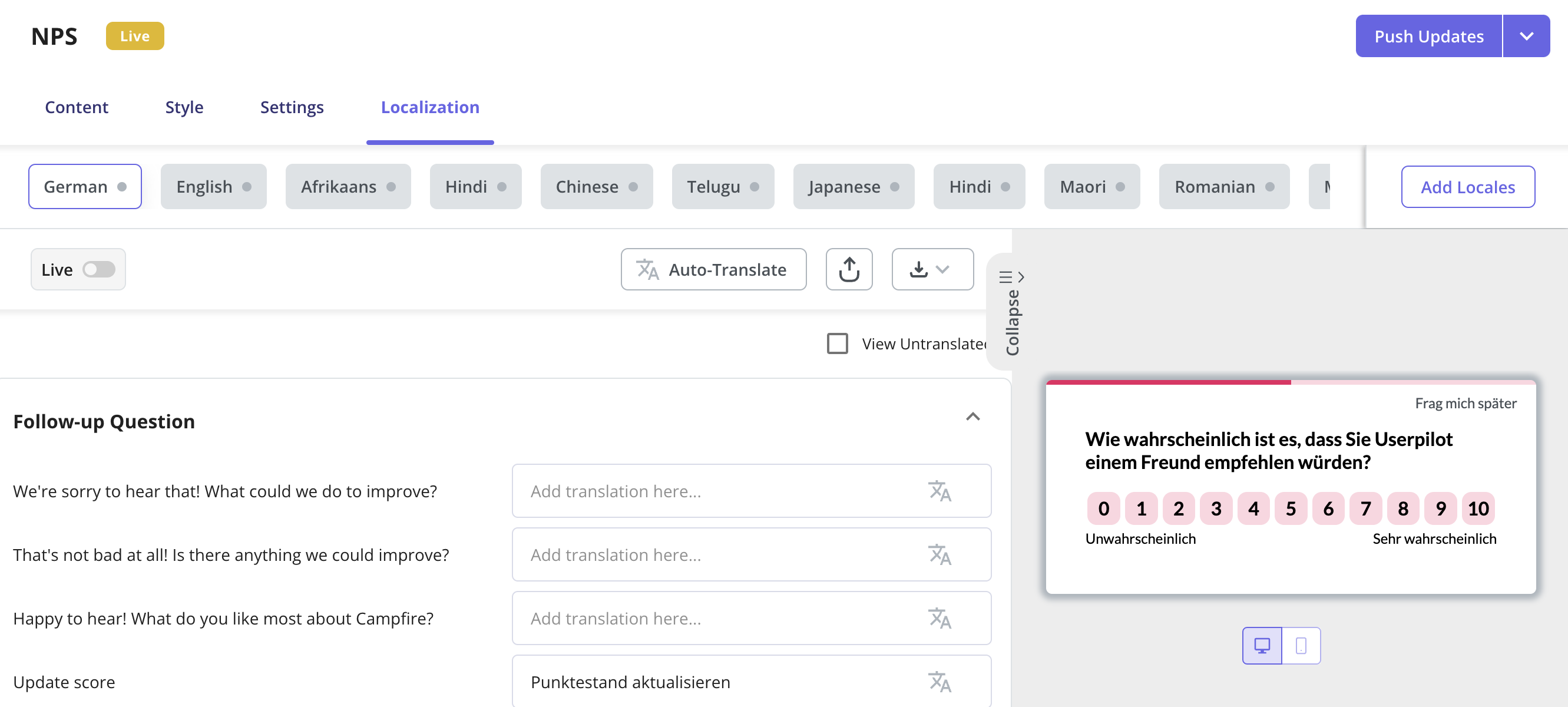
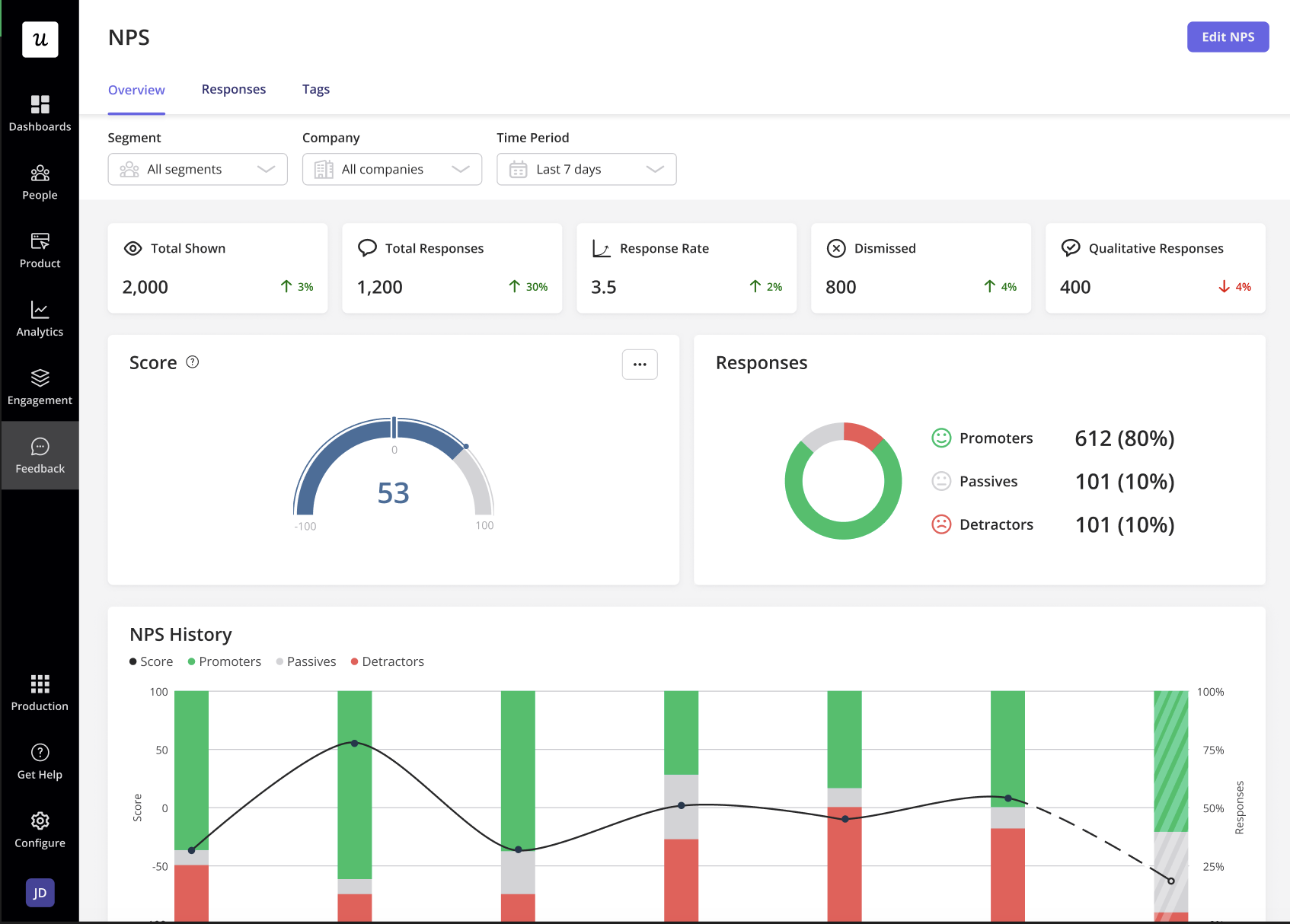
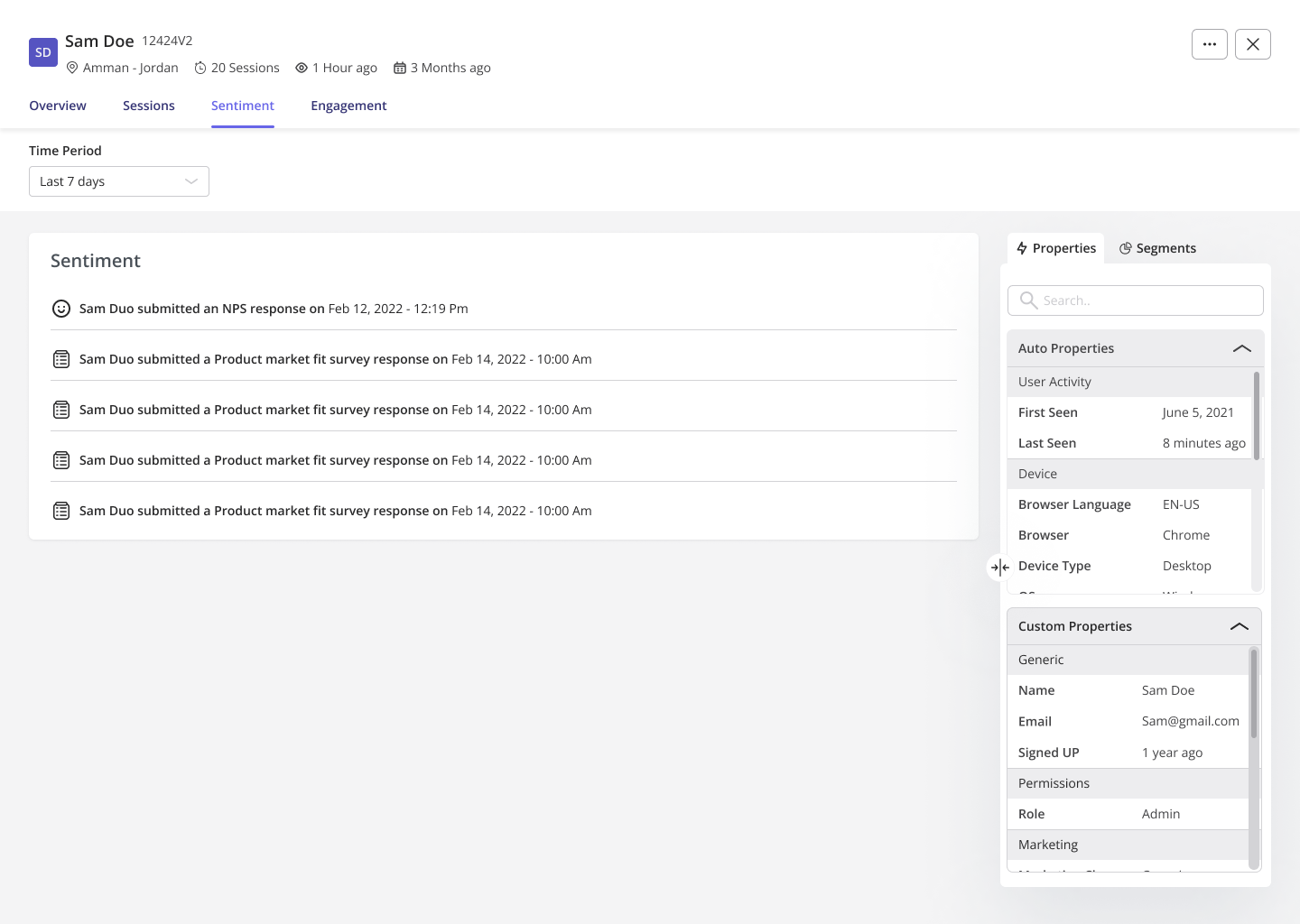
  • Microsurveys and in-app feedback: Launch NPS, CSAT, and custom microsurveys without developer support. You can add targeting rules, advanced logic, response throttling, and branding customization, while dedicated dashboards help you measure customer satisfaction and close the feedback loop.

Userpilot's NPS response tags

NPS survey dashboard showing customer scores and feedback responses.

  • Autocapture: Lets you perform retroactive analysis because it collects all the in-app events from the moment you installed it. All you need to do is label it.
  • Session replays: Witness how users interact with your product by watching their sessions.

Userpilot’s session replay

Session replay dashboard with user event tracking.

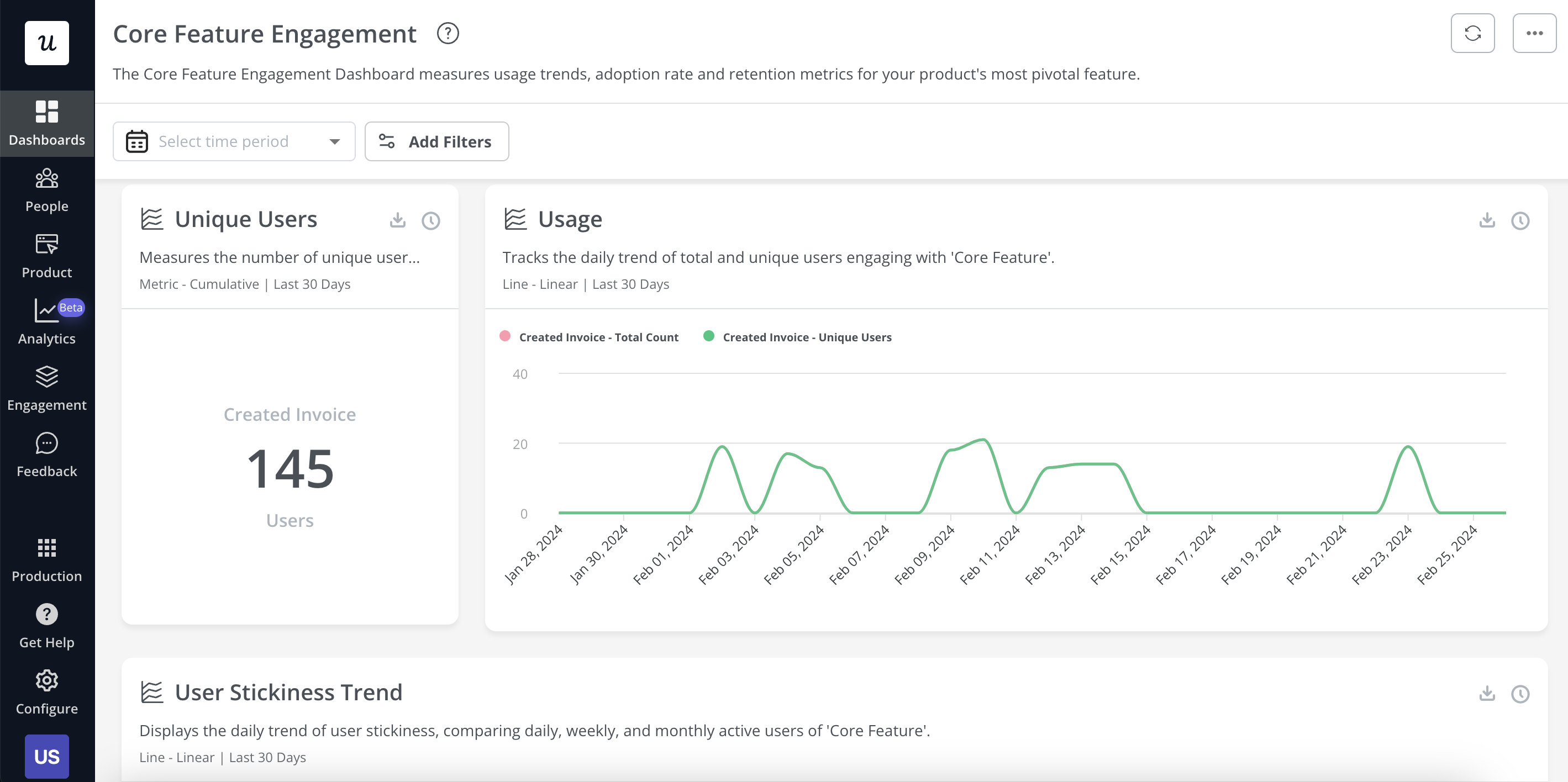
  • Behavior analytics and dashboards: Analyze funnels, user paths, retention cohorts, and trends from one place. Combine reports into customizable dashboards to better understand the customer journey and identify opportunities to improve customer experience.

Userpilot’s trend analysis

Product analytics trend report with event tracking.

Pros and cons of Userpilot

Pros Cons
Flexible segmentation and targeting: Users appreciate the ability to segment users based on behavior and feedback to improve onboarding and customer experience. Steeper learning curve: Some users mention that because Userpilot includes many capabilities, it takes time to fully understand how to use everything effectively.
Responsive customer support and implementation help: Users frequently praise Userpilot’s support team for helping with onboarding and solving technical issues quickly. Pricing may be challenging for very early-stage startups: Some reviews note that pricing may be better suited to growing SaaS companies rather than very small teams.
Reduces engineering dependency for product experiments: Reviews repeatedly mention that teams can launch onboarding flows, messages, and experiments without developer involvement.

How much does Userpilot cost?

Userpilot offers the same three pricing plans for its customer behavior analysis features (including the free trial and demo too):

  • Starter plan ($299/month): Supports up to 2,000 Monthly Active Users (MAUs). Includes in-app engagement tools, NPS surveys, and usage tracking.
  • Growth plan (Custom pricing): Ideal for scaling businesses with customizable MAUs. Adds advanced analytics and retroactive event autocapture.
  • Enterprise plan (Custom pricing): Tailored for large organizations. Includes premium integrations, advanced security features, and priority support.

Best community feedback software: Discourse

Discourse is an open-source platform built for online communities. You can use it to create a space where users ask questions, share ideas, and discuss your product in detail.

It works well if you want to centralize feedback while also building an engaged user base that interacts with each other, not just your team.

Why choose Discourse? Key features

  • Forum building: Set up community forums with real-time chat and robust moderation features.

Discourse forum building feature

  • Moderation features: Use tagging, categorization, and search functionality to organize discussions efficiently.
  • Customizable: Customize the platform using its open-source flexibility to fit your specific needs.

Discourse customization

  • Gamification elements: Encourage engagement with gamification tools, badges, and community leaderboards.

Pros and cons of Discourse

Pros Cons
High flexibility if you have technical resources: Many users highlight how customizable the platform is, especially when self-hosted. Duplicate content confusion: When similar discussions appear multiple times, it becomes difficult to identify the most up-to-date or validated response.
Encourages structured discussions: Users consistently mention that threaded conversations, categories, and search make it easier to find useful insights instead of scattered feedback. Limited advanced customization for workflows: Some users mention that while Discourse is flexible overall, it lacks built-in options for deeper customization. For example, features like assigning posts using logic or adding voting systems for bugs require extra setup or aren’t available out of the box.
Strong engagement through community mechanics: Keeps users active through discussions and recognition systems like badges. Basic UX, limited plugins: Advanced functionality often requires custom development, as out-of-the-box features and plugins are limited.

How much does Discourse cost?

Discourse offers both free and paid options:

  • Free plan ($0/month):
    Includes basic hosted community setup with limited staff seats and a Discourse subdomain.
  • Starter plan ($20/month):
    Entry-level paid plan with core features like categories, tags, and email support.
  • Pro plan ($100/month):
    Adds custom domain, API access, plugins, and better customization options.
  • Business plan ($500/month):
    Includes advanced analytics, priority support, more plugins, and higher limits for scaling communities.
  • Enterprise plan (Custom pricing):
    Designed for large organizations needing custom development, integrations, and dedicated support.

Choose the right software for your customer feedback strategy

Choosing the right customer feedback software doesn’t have to be hard if you’re clear on your use case.

Whether you need in-app surveys, sentiment analysis, or social listening, this guide has showcased tools for every use case.

If you need to gather in-app feedback to drive product growth, book a Userpilot demo and see how we can help you.

FAQ

What is customer feedback software?

Customer feedback software helps you collect, manage, and analyze feedback from customers. It often includes features like surveys, sentiment analysis, review management, and reporting dashboards.

How to collect customer feedback?

Collecting customer feedback involves several key methods depending on your goals and customer touchpoints:

  • Use in-app surveys to capture feedback directly within your product experience.
  • Send email surveys or forms to gather opinions after customer interactions.
  • Conduct usability tests or interviews for deeper qualitative insights.
  • Monitor social media and review platforms to analyze organic customer feedback.

By combining these methods, you can gather a mix of quantitative and qualitative data to understand your customers better.

What is the best platform to collect customer feedback?

The best platform for collecting customer feedback depends on your business size, use case, and budget. For instance:

  • For in-app surveys and behavioral analytics, Userpilot is an excellent choice.
  • If you’re looking for interactive and visually engaging email surveys, Typeform may be a better fit.
  • For managing feature requests and public roadmaps, Canny is a great option.

FAQ

What is software for customer feedback?

Software for customer feedback is a tool that helps you collect, manage, and analyze feedback from customers. It often includes features like surveys, sentiment analysis, review management, and reporting dashboards.

How to collect customer feedback?

Collecting customer feedback involves several key methods depending on your goals and customer touchpoints:

  • Use in-app surveys to capture feedback directly within your product experience.
  • Send email surveys or forms to gather opinions after customer interactions.
  • Conduct usability tests or interviews for deeper qualitative insights.
  • Monitor social media and review platforms to analyze organic customer feedback.

By combining these methods, you can gather a mix of quantitative and qualitative data to understand your customers better.

What is the best platform to collect customer feedback?

The best platform for collecting customer feedback depends on your business size, use case, and budget. For instance:

  • For in-app surveys and behavioral analytics, Userpilot is an excellent choice.
  • If you’re looking for interactive and visually engaging email surveys, Typeform may be a better fit.
  • For managing feature requests and public roadmaps, Canny is a great option.

About the author
Abrar Abutouq

Abrar Abutouq

Product Manager

Product Manager at Userpilot – Building products, product adoption, User Onboarding. I'm passionate about building products that serve user needs and solve real problems. With a strong foundation in product thinking and a willingness to constantly challenge myself, I thrive at the intersection of user experience, technology, and business impact. I’m always eager to learn, adapt, and turn ideas into meaningful solutions that create value for both users and the business.

All posts