Product Launch Timeline: Planning Guide and Task Checklist


Every product launch runs on a series of dependencies. Positioning informs messaging, messaging supports enablement, and enablement prepares teams for product launch day. Companies that manage those activities through a defined go-to-market (GTM) process achieve a 63% launch success rate, compared to 53% for those without one, and report 3x higher median revenue growth.
In this guide, you’ll find a phase-by-phase product launch timeline with weekly milestones and task checklists covering pre-launch, launch day, and post-launch activities.

Standard B2B SaaS launch timeline
Not every launch deserves the same calendar. The scope of what you are shipping determines the length, so match the tier to the work before you enter a single date.
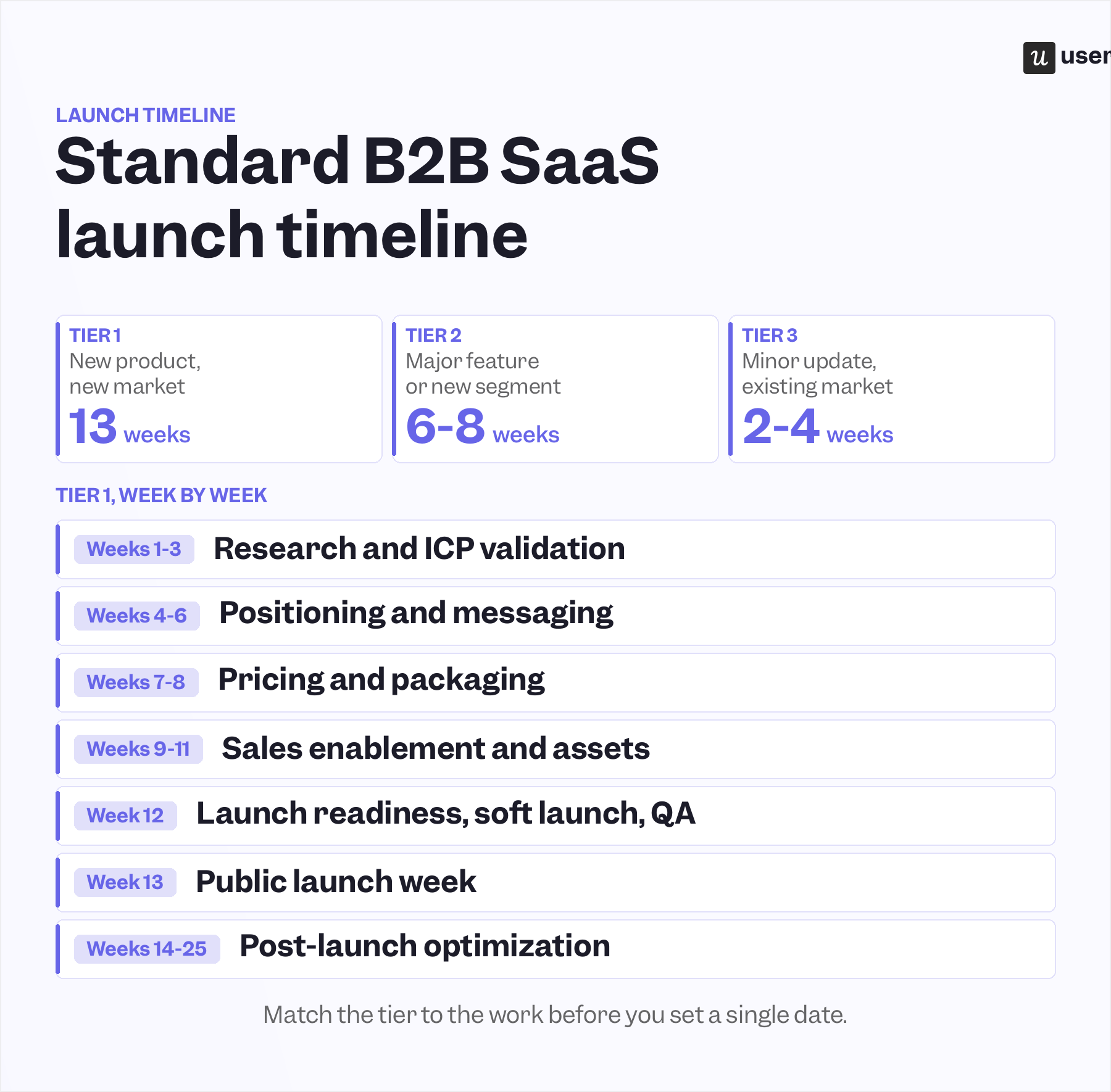
- Tier 1, new product into a new market: 13 weeks.
- Tier 2, major feature or new segment: 6 to 8 weeks.
- Tier 3, minor update in an existing market: 2 to 4 weeks.
Here is the Tier 1 breakdown week by week, adapted from Prospeo’s 2026 go-to-market timeline:
- Weeks 1 to 3: Research and ICP validation.
- Weeks 4 to 6: Positioning and messaging.
- Weeks 7 to 8: Pricing and packaging.
- Weeks 9 to 11: Sales enablement and asset creation.
- Week 12: Launch readiness, soft launch, and final QA.
- Week 13: Public launch week.
- Weeks 14 to 25: Post-launch optimization.
Scale down for Tier 2 and Tier 3 by compressing the front half, but keep the order intact. The sequence is what protects launch quality when the calendar shrinks.
Pre-launch timeline: Weeks 1 to 12
Time to do the groundwork and ensure a smooth launch. The more you do in this phase, the more peace of mind you will have later.
Plan to gather and analyze customer data
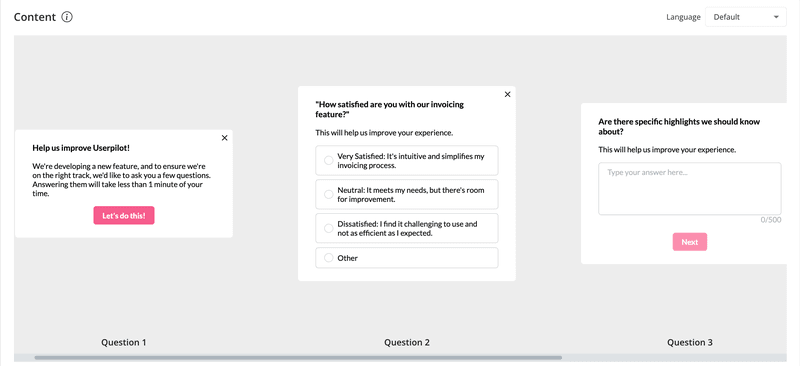
Treat weeks 1 to 3 as research only. Send targeted in-app surveys, analyze user interactions with your current product, and conduct market research if you do not yet have a user base.
Protecting these three weeks is what keeps the rest of the calendar honest. 49% of GTM teams say they cannot collect research fast enough to build plans on time, and that is exactly the slip that pushes every later phase off its dates.
Determine launch scope and messages
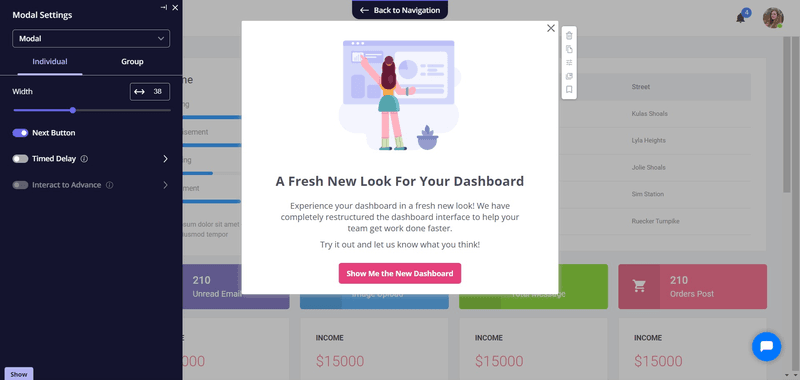
Positioning and messaging get locked in weeks 4 to 6. Define your target audience, your core messaging, and the channels you will use, from in-app notifications to email to Product Hunt.
Then apply the test from Arise GTM’s launch playbook: write your one-liner, then explicitly state who it is not for. A position that tries to be for everyone lands with no one.
Decide the launch date
Pick the date around market timing, resource planning, and a buffer for last-minute slippage. If Product Hunt is part of the plan, the timing rules are specific, per Smol Launch’s 2026 Product Hunt guide:
- Launch on a Tuesday, Wednesday, or Thursday.
- Go live at 12:01 AM Pacific for a full day of visibility.
- Use a maker account that is at least 30 days old.
- Avoid holidays, major sporting events, and big tech announcements.
Develop a product launch strategy
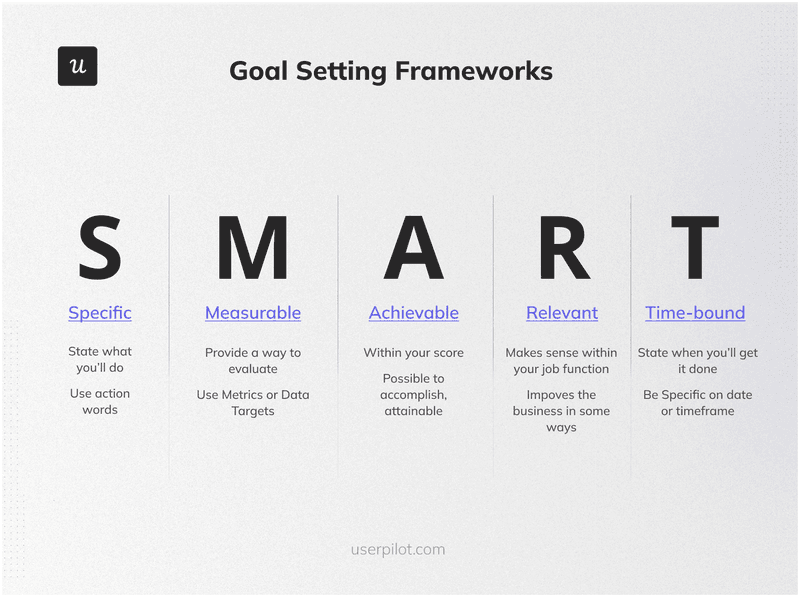
Set your objectives with the SMART framework, then decide the four metrics you will actually judge the launch on. Measure them in order, because each one only matters if the one before it is healthy.
- Exposure rate: How many targeted users actually saw the feature. It is the first thing to check and the most often skipped, and below 40% signals a targeting problem.
- Activation rate: How many of those exposed took the first meaningful action. Below 20% signals friction between exposure and value.
- User retention rate: How many activated users came back within 30 days. It is the metric most teams forget to define before launch.
- Business impact: Whether adopters see less user churn, upgrade more, or engage more deeply than non-adopters. Measured at 60 and 90 days, it is the only metric that ties a launch to actual growth.
Identify stakeholders for the launch plan
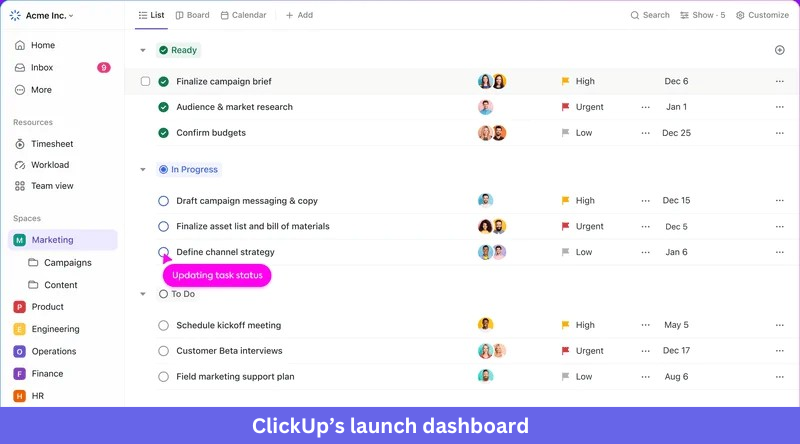
Name your stakeholders early and define each role: product managers, marketers, developers, and sales. Use a team management tool to keep responsibilities and check-ins in one place.
Then protect the role that breaks the most launches. Sales enablement is the #1 hidden critical path in B2B launches, per Prospeo. It’s because teams nail their launch messages and still fumble launch day when reps were never trained to say it on a live call.
Soft launch and beta testing
About a week before going public, run a soft launch to roughly 50 key customers. It usually takes only three days, but it catches real-world bugs that internal testing misses, per GTM Playbook’s launch timeline template.
Build the buffer into the calendar, week 12 of a 13-week timeline, so you have room to fix whatever the soft launch surfaces before launch week. That buffer week is the difference between catching a broken signup flow privately and catching it in public.
Launch day timeline and checklist
Launch day is execution. Two jobs matter now: get the campaign live and watch the response in real time.
Execute your product marketing campaign
Run your campaign across Product Hunt, your new product announcement, and social. The in-app announcement is where your existing users hear it first, so lead with the new feature and a short GIF or video.
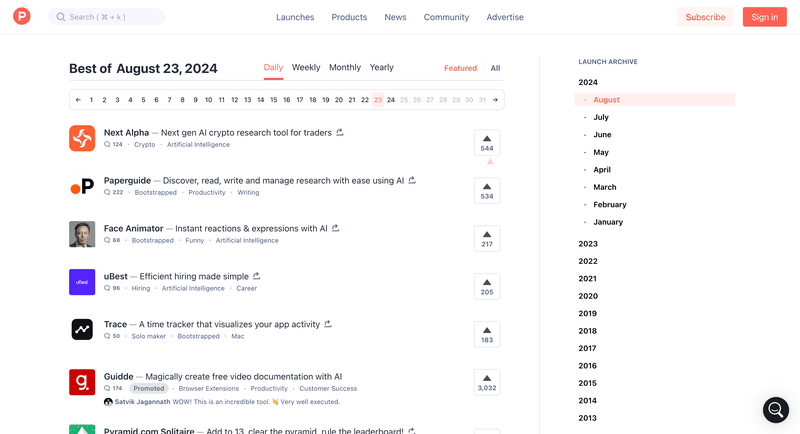
On Product Hunt, reply to every comment within 15 to 30 minutes, and have the founder personally respond for the full launch day. The timing rules from the date section still apply: 12:01 AM Pacific, mid-week, maker account aged 30 days or more.
Monitor and manage launch events
Watch active users, Product Hunt votes, sales, website traffic, feature engagement, and support tickets. For a strong Product Hunt day, aim for 200+ upvotes and 30+ comments by 6 AM Pacific, the window where the ranking algorithm sets your position.
Keep a contingency ready. If votes stall, ramp social, trigger an extra email push, or lean on other channels to protect visibility before momentum fades.
Post-launch timeline and checklist
Post-launch runs weeks 14 to 25 on a Tier 1 timeline. This is where you turn launch-day attention into retention.
Gather and analyze customer feedback
Trigger contextual surveys to collect targeted user feedback, especially for features still in beta or in need of refinement. Group the responses into themes so that a recurring complaint about one integration becomes a clear fix.
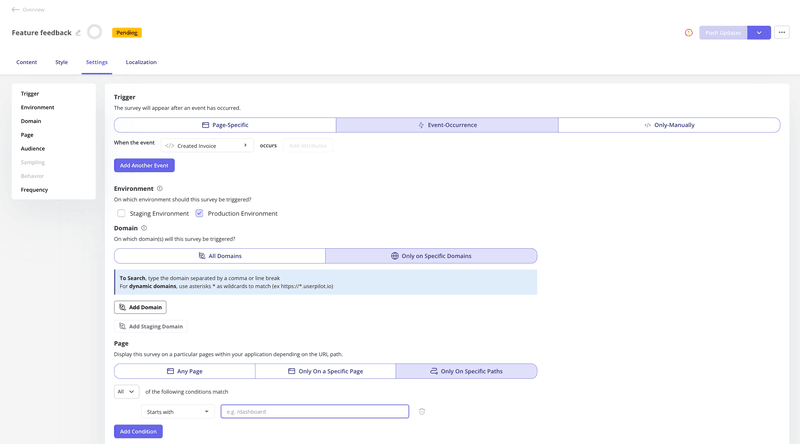
Userpilot’s in-app surveys are also getting AI-powered response analysis as part of the Lia AI agent roadmap, so theme detection will no longer be a manual export-and-tag job.
Monitor product performance
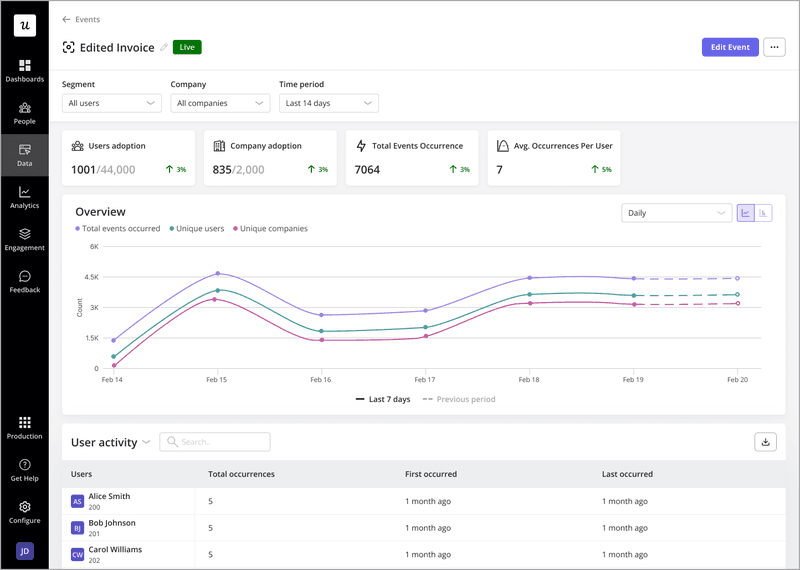
Track engagement, adoption rate, retention, churn, and product stickiness – the core inputs to your product launch analytics. The most predictive launch-week numbers are Day 1, Day 7, and Day 14 activation rates, because they tell you whether the first value is landing before long-term habits form.
This is the process Abrar Abutouq, one of our PMs, runs after every release. In his words:
Once we release a feature, we need to create a report and track meaningful events to see the usage and the feature health. From there, I look for where the drop-off is happening, in which step users are getting stuck. Sometimes it’s not engineering. Sometimes it’s just the in-app messaging.
Iterate on the product based on feedback
Use path and funnel analysis to find where users drop off, then fix the worst step first. The point is to streamline the path your power users already take so more people reach it.
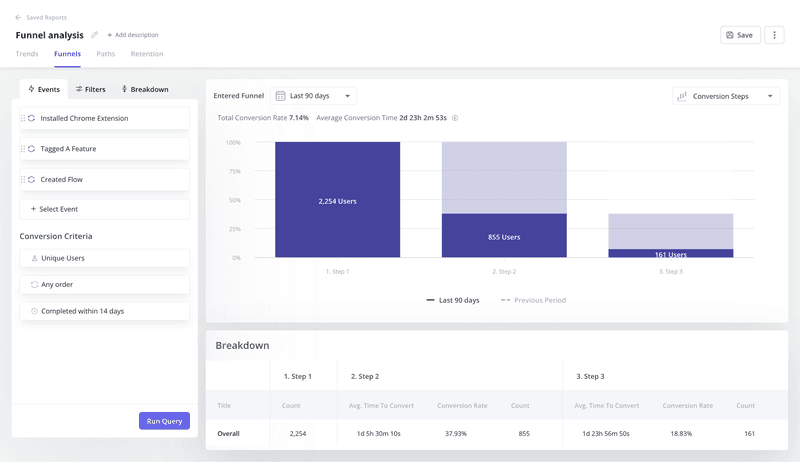
In the Userpilot product experience platform, Lia now surfaces these behavioral patterns automatically rather than waiting for someone to build the report by hand.
That matters more as release velocity climbs, since our CEO, Yazan Sehwail, points out that teams now ship seven, eight, or nine features where they once shipped one or two, which makes manual tracking of each one impossible.
Plan for product updates
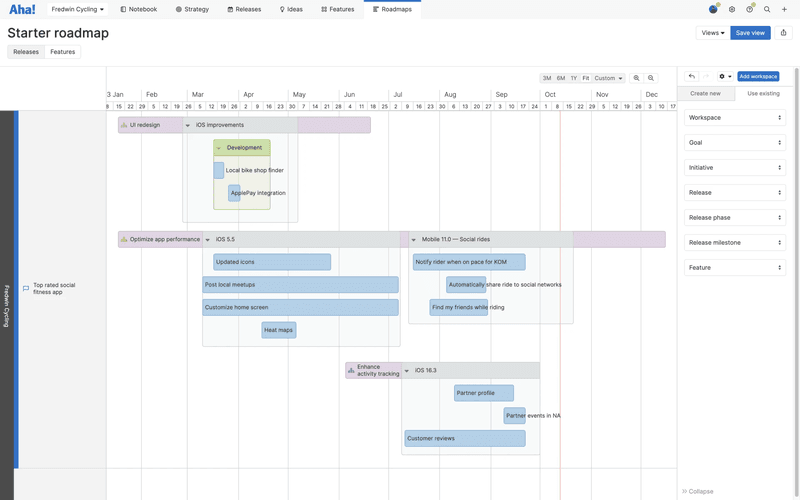
Feed your findings into a prioritized product roadmap, then decide whether it is public or internal. Prioritize updates with the greatest impact on satisfaction and performance, starting with anything that causes churn or breaks the app.
Why is the timeline an advantage
A launch timeline is not paperwork. A structured 13-week timeline, or a compressed 6 to 8 weeks for a major feature, consistently beats an ad-hoc launch, and the same Prospeo data puts that gap at 3x higher revenue growth for teams with a defined process.
Pick your tier, map the weeks backward from launch day, and let each task land where it belongs.
If you want the in-app surveys, announcements, and feature analytics that run underneath this timeline in one place, that is what Userpilot’s product launch solution is built for. Book a demo today to see it in action!
About the author